Hypertension on the Couch

Hypertension on the Couch

Author: Mental Health Training Information May 22, 2023 Duration: 20:12

Hypertension, commonly known as high blood pressure, is often called the “silent killer” because it can go unnoticed until it causes severe health problems. In fact, hypertension affects over 1 billion people worldwide and is responsible for an estimated 7.5 million deaths annually. Understanding the risks of hypertension and how to prevent it is crucial for maintaining good health and longevity.

What is Hypertension?

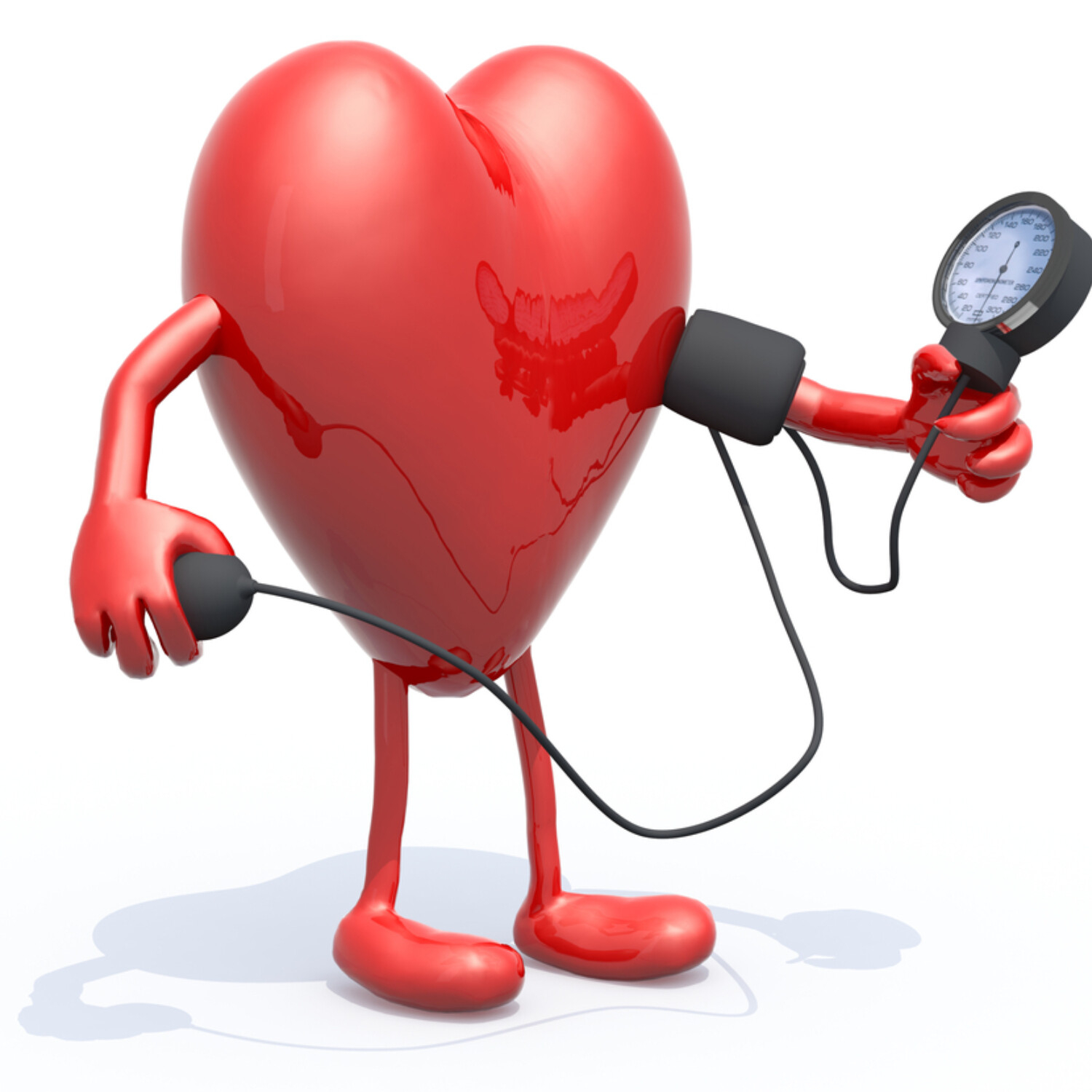
Hypertension is a condition that occurs when the force of blood pushing against the walls of the arteries is consistently too high. Blood pressure is measured in two numbers - the systolic pressure (when the heart beats) and the diastolic pressure (when the heart is at rest). A normal blood pressure reading is typically around 120/80 mmHg. However, a reading consistently above 140/90 mmHg can be considered hypertensive and requires medical attention.

Hypertension is classified according to severity:

  • Stage 1 hypertension — clinic blood pressure ranging from 140/90 mmHg to 159/99 mmHg and subsequent ABPM daytime average or HBPM average blood pressure ranging from 135/85 mmHg to 149/94 mmHg.
  • Stage 2 hypertension — clinic blood pressure of 160/100 mmHg or higher but less than 180/120 mmHg and subsequent ABPM daytime average or HBPM average blood pressure of 150/95 mmHg or higher.
  • Stage 3 or severe hypertension — clinic systolic blood pressure of 180 mmHg or higher or clinic diastolic blood pressure of 120 mmHg or higher.
  • Accelerated (or malignant) hypertension is a severe increase in blood pressure to 180/120 mmHg or higher (and often over 220/120 mmHg) with signs of retinal haemorrhage and/or papilloedema (swelling of the optic nerve). 
  •  Ambulatory blood pressure monitoring (ABPM) 
  • Home blood pressure monitoring (HBPM)

Essential hypertension, or primary hypertension, is the most common type of high blood pressure. It means no specific underlying medical condition causing high blood pressure. Factors contributing to essential hypertension include genetics, lifestyle factors (such as diet and exercise), stress, and age.

Managing essential hypertension is important, as it can lead to serious health problems, such as heart disease and stroke. Treatment may include lifestyle changes, such as adopting a healthy diet, increasing physical activity, and medication to lower blood pressure. Regular check-ups with a healthcare provider are important for monitoring and managing essential hypertension.

Primary hypertension (which occurs in about 90% of people) has no identifiable cause.

Secondary hypertension (about 10% of people) has a known underlying cause, such as renal, endocrine, or vascular disorder or the use of certain drugs. 

Symptoms and Risks of Hypertension

Hypertension is often called the “silent killer” because it typically presents no noticeable symptoms. However, over time it can cause severe damage to the arteries, heart, brain, kidneys and eyes. Hypertension-related health problems include heart attacks, strokes, aneurysms, kidney failure, and vision loss. Hypertension is also a leading cause of dementia and cognitive impairment in the elderly.

Long-term effects of Hypertension

Hypertension affects a quarter of the adult population in the United Kingdom. It accounts for 60% of all strokes in the UK and half of all heart attacks, but because the condition is usually symptomless, most people have no idea they are at risk until it is too late. 

Hypertension and chronic pain

Hypertension and mental health

High blood pressure in young people may cause long-term brain issues.

Brain damage caused by Hypertension could contribute to dementia.

Hormones and Hypertension

Salt and Hypertension

Alcohol on hypertension

Managing Hypertension and Mental Health

Prevention and Treatment of Hypertension

Learn more:

We all navigate a world that constantly tests our emotional and psychological resilience, yet practical guidance on maintaining mental well-being can feel scattered or overly clinical. Mental Health Training cuts through the noise, offering grounded conversations that connect the dots between personal fitness, our cultural environment, and the health of our relationships. Hosted by Mental Health Training Information, each episode functions like an accessible workshop, translating complex psychological concepts into everyday language and actionable strategies. You’ll hear discussions that range from managing daily stressors and building emotional fitness to understanding how societal pressures shape our individual mental landscapes. This isn't about quick fixes; it's about cultivating a sustainable, informed approach to your inner life. The podcast draws from a broad spectrum of expertise, reflecting its roots in education and society, to provide listeners with a comprehensive toolkit. Tune in for a thoughtful blend of personal stories, expert insights, and practical exercises designed to strengthen your mental framework. Find more depth and continue the conversation beyond the audio by visiting the show's website for extended resources. This is a space for anyone looking to move beyond awareness and into the practice of genuine mental health training.
Author: Language: English Episodes: 100

Mental Health Training
Podcast Episodes
Bibliotherapy: A Book Club With A Difference [not-audio_url] [/not-audio_url]

Duration: 12:49
What is Bibliotherapy? Bibliotherapy is a therapeutic approach that uses literature to support mental health and wellbeing. It involves using books, poems, and other written materials to help individuals understand and c…
Introduction to mental health in literature [not-audio_url] [/not-audio_url]

Duration: 9:29
Mental health is an important and often misunderstood topic affecting millions worldwide. Raising awareness and promoting understanding of mental health issues is crucial to creating a more inclusive and supportive socie…
The Impact Of Intrusive Thoughts On Your Mental Health [not-audio_url] [/not-audio_url]

Duration: 23:13
The continuous presence of intrusive thoughts can create a constant sense of unease and fear. They have the power to make you question your own morality and sanity. The toll they take on you is not only mental but physic…
Is there a misunderstanding about anxiety in teenage girls? [not-audio_url] [/not-audio_url]

Duration: 12:56
Is there a misunderstanding about anxiety in teenage girls? Anxiety is a common emotion experienced by people of all ages, but have we misunderstood its impact on teenage girls? In today's fast-paced, high-pressure world…
Are We The Victims Of Our Genes [not-audio_url] [/not-audio_url]

Duration: 11:54
Why do you struggle to resist a sugary snack or struggle with anxiety? The answer lies in our genes. Our genetic makeup plays an important role in shaping who we are and how we behave. Could it be possible that our genes…
Maintain a healthy mind. [not-audio_url] [/not-audio_url]

Duration: 12:36
A healthy mind is essential for overall well-being. It enables us to cope with the challenges of everyday life and maintain a positive outlook. But what does it mean to have a healthy mind? It goes beyond just being free…
Paranoid Schizophrenia: Learning and Managing this Condition [not-audio_url] [/not-audio_url]

Duration: 11:21
Paranoid Schizophrenia: Learning and Managing this Condition Paranoid schizophrenia is a complex and often debilitating mental illness that affects approximately 0.5% of the population. Portrayed by a combination of hall…
A Comprehensive Guide To Mind-Wandering [not-audio_url] [/not-audio_url]

Duration: 16:28
A Comprehensive Guide To Mind-Wandering Do you often find yourself lost in your thoughts, utterly detached from the present moment? If so, you’re not alone. This phenomenon is known as mind-wandering, a common occurrence…