Hypertension on the Couch

Hypertension on the Couch

Author: Mental Health Training Information May 22, 2023 Duration: 20:12

Hypertension, commonly known as high blood pressure, is often called the “silent killer” because it can go unnoticed until it causes severe health problems. In fact, hypertension affects over 1 billion people worldwide and is responsible for an estimated 7.5 million deaths annually. Understanding the risks of hypertension and how to prevent it is crucial for maintaining good health and longevity.

What is Hypertension?

Hypertension is a condition that occurs when the force of blood pushing against the walls of the arteries is consistently too high. Blood pressure is measured in two numbers - the systolic pressure (when the heart beats) and the diastolic pressure (when the heart is at rest). A normal blood pressure reading is typically around 120/80 mmHg. However, a reading consistently above 140/90 mmHg can be considered hypertensive and requires medical attention.

Hypertension is classified according to severity:

  • Stage 1 hypertension — clinic blood pressure ranging from 140/90 mmHg to 159/99 mmHg and subsequent ABPM daytime average or HBPM average blood pressure ranging from 135/85 mmHg to 149/94 mmHg.
  • Stage 2 hypertension — clinic blood pressure of 160/100 mmHg or higher but less than 180/120 mmHg and subsequent ABPM daytime average or HBPM average blood pressure of 150/95 mmHg or higher.
  • Stage 3 or severe hypertension — clinic systolic blood pressure of 180 mmHg or higher or clinic diastolic blood pressure of 120 mmHg or higher.
  • Accelerated (or malignant) hypertension is a severe increase in blood pressure to 180/120 mmHg or higher (and often over 220/120 mmHg) with signs of retinal haemorrhage and/or papilloedema (swelling of the optic nerve). 
  •  Ambulatory blood pressure monitoring (ABPM) 
  • Home blood pressure monitoring (HBPM)

Essential hypertension, or primary hypertension, is the most common type of high blood pressure. It means no specific underlying medical condition causing high blood pressure. Factors contributing to essential hypertension include genetics, lifestyle factors (such as diet and exercise), stress, and age.

Managing essential hypertension is important, as it can lead to serious health problems, such as heart disease and stroke. Treatment may include lifestyle changes, such as adopting a healthy diet, increasing physical activity, and medication to lower blood pressure. Regular check-ups with a healthcare provider are important for monitoring and managing essential hypertension.

Primary hypertension (which occurs in about 90% of people) has no identifiable cause.

Secondary hypertension (about 10% of people) has a known underlying cause, such as renal, endocrine, or vascular disorder or the use of certain drugs. 

Symptoms and Risks of Hypertension

Hypertension is often called the “silent killer” because it typically presents no noticeable symptoms. However, over time it can cause severe damage to the arteries, heart, brain, kidneys and eyes. Hypertension-related health problems include heart attacks, strokes, aneurysms, kidney failure, and vision loss. Hypertension is also a leading cause of dementia and cognitive impairment in the elderly.

Long-term effects of Hypertension

Hypertension affects a quarter of the adult population in the United Kingdom. It accounts for 60% of all strokes in the UK and half of all heart attacks, but because the condition is usually symptomless, most people have no idea they are at risk until it is too late. 

Hypertension and chronic pain

Hypertension and mental health

High blood pressure in young people may cause long-term brain issues.

Brain damage caused by Hypertension could contribute to dementia.

Hormones and Hypertension

Salt and Hypertension

Alcohol on hypertension

Managing Hypertension and Mental Health

Prevention and Treatment of Hypertension

Learn more:

We all navigate a world that constantly tests our emotional and psychological resilience, yet practical guidance on maintaining mental well-being can feel scattered or overly clinical. Mental Health Training cuts through the noise, offering grounded conversations that connect the dots between personal fitness, our cultural environment, and the health of our relationships. Hosted by Mental Health Training Information, each episode functions like an accessible workshop, translating complex psychological concepts into everyday language and actionable strategies. You’ll hear discussions that range from managing daily stressors and building emotional fitness to understanding how societal pressures shape our individual mental landscapes. This isn't about quick fixes; it's about cultivating a sustainable, informed approach to your inner life. The podcast draws from a broad spectrum of expertise, reflecting its roots in education and society, to provide listeners with a comprehensive toolkit. Tune in for a thoughtful blend of personal stories, expert insights, and practical exercises designed to strengthen your mental framework. Find more depth and continue the conversation beyond the audio by visiting the show's website for extended resources. This is a space for anyone looking to move beyond awareness and into the practice of genuine mental health training.
Author: Language: English Episodes: 100

Mental Health Training
Podcast Episodes
Helping your child sleep better. [not-audio_url] [/not-audio_url]

Duration: 12:43
Helping your child sleep better. The number of children being prescribed the previous jet lag hormone melatonin to help their child sleep has nearly tripled in the past seven years. Melatonin is indeed not a sleep hormon…
Let's talk about your inner monologue [not-audio_url] [/not-audio_url]

Duration: 3:36
Building upon a previous podcast on self-talk because many of us, when we read something, you hear a little voice in our head. Most of us would refer to this as an inner monologue. Just in case you didn’t know, many indi…
Therapy on a budget for generation Z [not-audio_url] [/not-audio_url]

Duration: 8:25
According to the National Institute of Mental Health, in 2020, young adults aged 18 to 24 had the highest prevalence of mental health issues. Though mental health issues are common among Gen Z, indi­vid­u­als born betwee…
I’m certainly SAD, how about you? [not-audio_url] [/not-audio_url]

Duration: 10:51
As the Christmas holiday is approaching, many consider it a magical and charming time for adults and children alike. However, it’s the least wonderful time of the year for sunlight. Winter blues or seasonal affective dis…
Positive Self Talk [not-audio_url] [/not-audio_url]

Duration: 7:55
Positive Self Talk Self-talk: How often do you hear that little voice in your head tell you that you aren’t good enough? Negative self-talk can hinder your progress in life and hold you back from fulfilling your dreams.…
Overcome Obstacles by Removing Self-Doubt [not-audio_url] [/not-audio_url]

Duration: 2:59
Overcome Obstacles by Removing Self-Doubt People doubt themselves and their abilities. When it becomes a chronic situation, it can hold people back from getting what they want. Confidence will break through the barriers…
Six  Beneficial Ways to Deal with Critical Individuals [not-audio_url] [/not-audio_url]

Duration: 2:25
Six Beneficial Ways to Deal with Critical People Constructive criticism is fine, but some people are so relentlessly negative that they can suck the joy out of life. No matter what happy news you might have, they are gua…
Big five personality traits: Who are you? [not-audio_url] [/not-audio_url]

Duration: 11:54
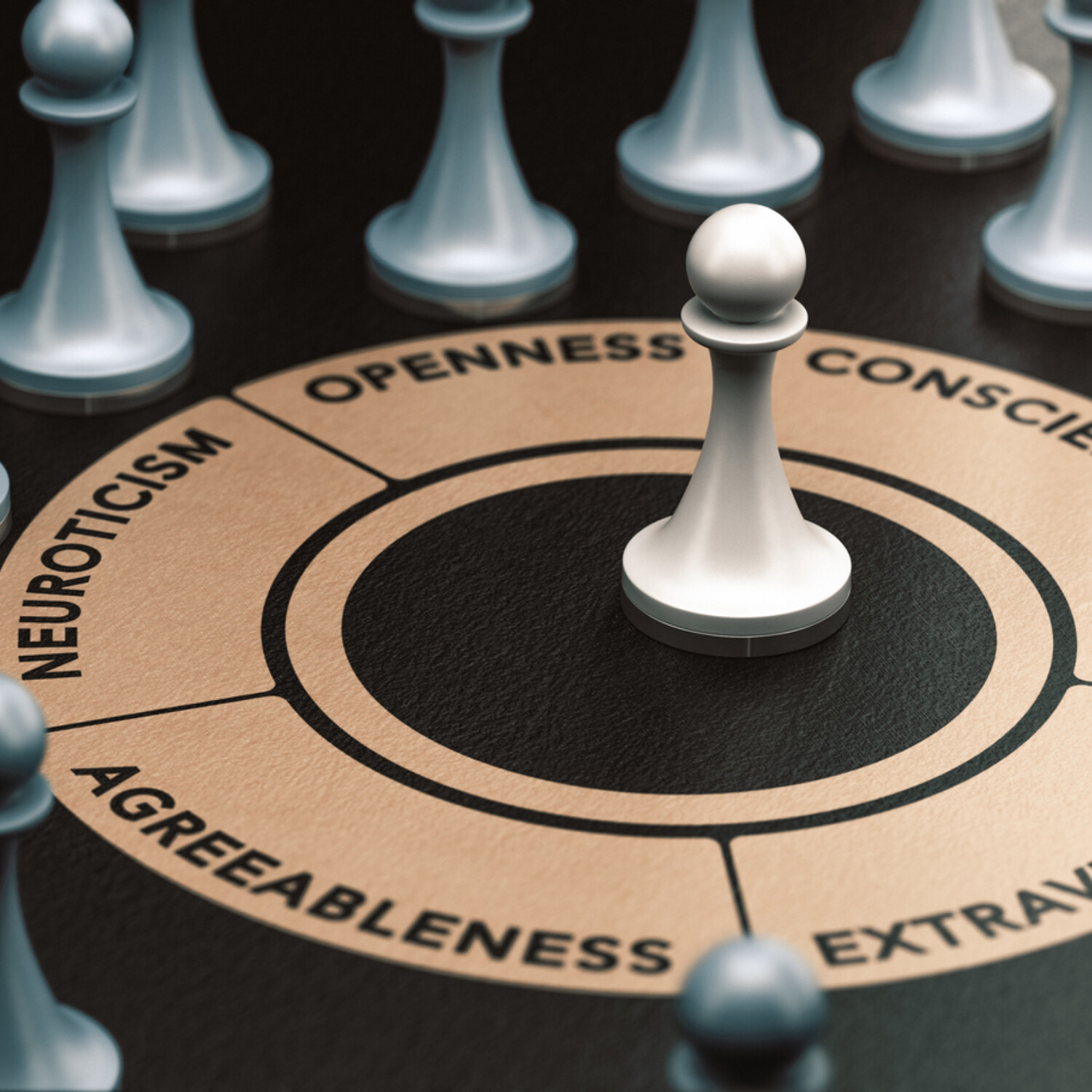
An individual’s personality traits define how they perceive the world around them. It is a set of characteristics and features that cause them to think, feel, and behave in a particular way. Personality traits are charac…
Doom and Gloom Thinking [not-audio_url] [/not-audio_url]

Duration: 13:51
Doom and Gloom Thinking Expecting the worst to happen in any situation can harm your mental health. How do we stop this unhealthy thinking Imagine you’ve applied for a dream appointment and have now been nominated for th…
Co-dependency Malaise [not-audio_url] [/not-audio_url]

Duration: 14:49
Co-dependency Malaise Robert Burney once coined the term “co-dependent” in the 1940s and defined it as someone who depends on another person to meet their emotional needs. Co-dependency is putting somebody else’s needs b…