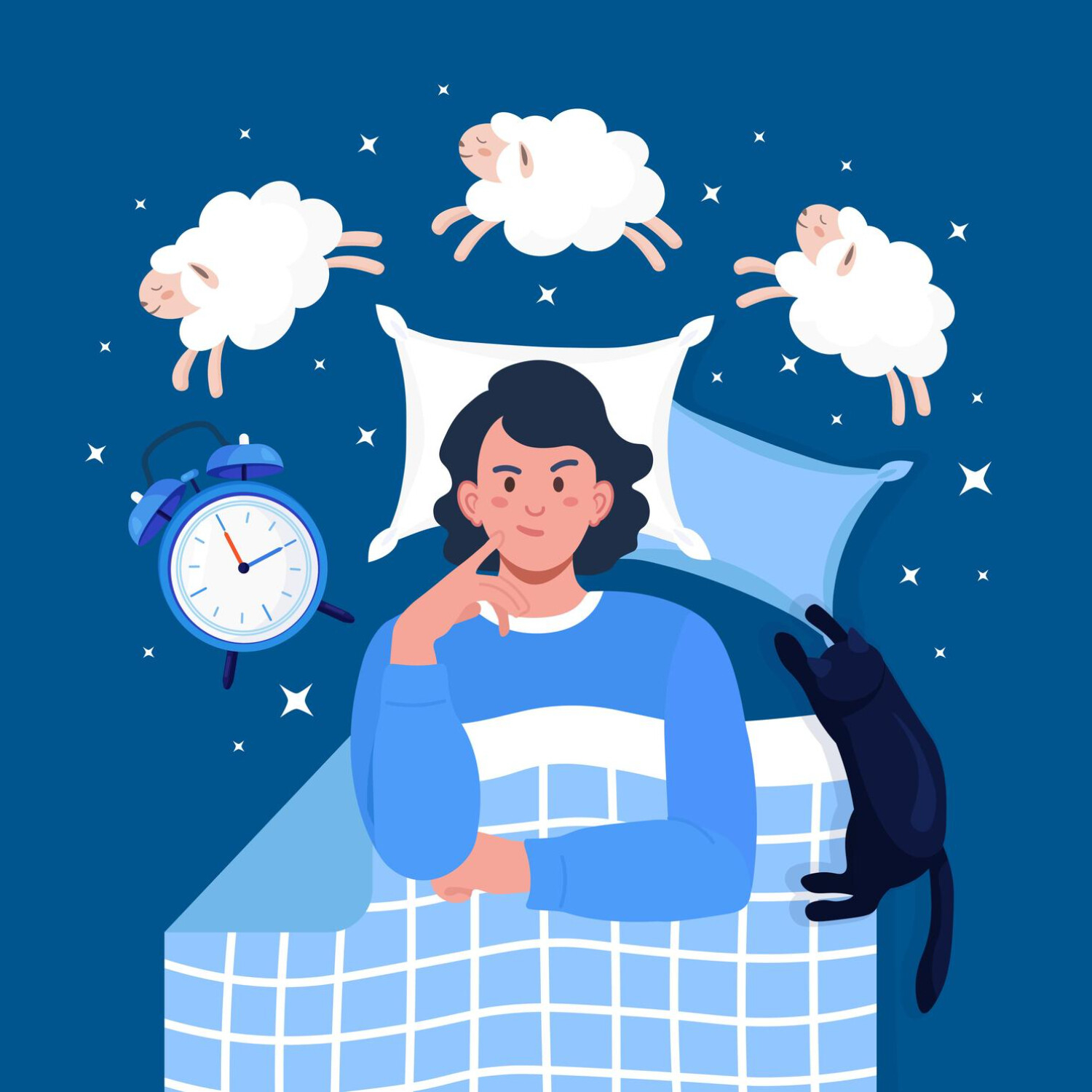
I’m certainly SAD, how about you?

I’m certainly SAD, how about you?

Author: Mental Health Training Information November 13, 2022 Duration: 10:51

As the Christmas holiday is approaching, many consider it a magical and charming time for adults and children alike. However, it’s the least wonderful time of the year for sunlight.

Winter blues or seasonal affective disorder?

As many as one in five Americans report “winter blues” beginning around this time of year, making you feel more cranky and lethargic. For about one in twenty Americans, symptoms increase to a seasonal affective disorder (use the mnemonic word SAD to remember). 

It has been estimated that 10 to 15 per cent of Britons also struggle through Autumn and winter and suffer many of those symptoms, but are not clinically diagnosed as having depression.

A seasonal affective disorder (SAD) is caused by prolonged exposure to darkness and cold temperatures, and those shifts disrupt our neuroendocrine systems, particularly the hormones that regulate moods.

Traditionally, in the post-Agricultural era, human societies harvested crops in late summer and preserved foods in the fall or Autumn, depending on which side of the pond you lived.

Then pseudo-hibernation, staying comfortable and warm indoors with family in the winter. That annual cycle of birth, growth, harvesting and death is part of why so many societies have holidays relating to death, for example, in Día de Muertos, this time of year is the opportunity to remember loved ones who have died and honour their memory.

Sadly, for most current employment routes, less sunlight doesn’t typically equate to fewer working hours. Psychologists say that there is generally a sliding scale of seasonal sadness. At the lowest level, it makes us overeat, oversleep, and be grumpy.

Winter blues typically involve brief, low-level symptoms that don’t impact your day-to-day life. You might occasionally feel melancholic or tired, but those symptoms resolve quickly, if symptoms interfere with your ability to be productive and enjoy life during this stretch, seek help.

In contrast, you maintain typical mental health throughout most of the year but exhibit depressive symptoms simultaneously each year, most commonly in winter, thus only pointing towards A seasonal affective disorder.

Symptoms of a seasonal affective disorder include depression, listlessness, loss of interest in activities you used to enjoy, increased appetite (particularly craving carbohydrates and gaining weight), hopelessness or guilt, difficulty concentrating, weight gain, fatigue, excessive sleep and decreased sociality.

A point of curiosity, a high-sugar diet is associated with higher rates of mood and anxiety disorders and a tentative link to clinical depression. In disparity, sleeping well can work wonders in helping to boost our moods.

However, if these symptoms rise to a level where you feel you can’t control them with home remedies, or they disrupt your life to the point where you can’t function, it’s time to see a medical professional. You may need therapy, medication or other alternatives to help control your symptoms.

Strategies for seasonal affective disorder

Try light therapy

Brighten up your space

Create a routine

Get moving

Practice meditation and gratitude

Make a phone call that matters

Look on the bright side of life

Read more:

We all navigate a world that constantly tests our emotional and psychological resilience, yet practical guidance on maintaining mental well-being can feel scattered or overly clinical. Mental Health Training cuts through the noise, offering grounded conversations that connect the dots between personal fitness, our cultural environment, and the health of our relationships. Hosted by Mental Health Training Information, each episode functions like an accessible workshop, translating complex psychological concepts into everyday language and actionable strategies. You’ll hear discussions that range from managing daily stressors and building emotional fitness to understanding how societal pressures shape our individual mental landscapes. This isn't about quick fixes; it's about cultivating a sustainable, informed approach to your inner life. The podcast draws from a broad spectrum of expertise, reflecting its roots in education and society, to provide listeners with a comprehensive toolkit. Tune in for a thoughtful blend of personal stories, expert insights, and practical exercises designed to strengthen your mental framework. Find more depth and continue the conversation beyond the audio by visiting the show's website for extended resources. This is a space for anyone looking to move beyond awareness and into the practice of genuine mental health training.
Author: Language: English Episodes: 100

Mental Health Training
Podcast Episodes
Why Do I Feel More Anxious at Night? [not-audio_url] [/not-audio_url]

Duration: 7:27
Why Do I Feel More Anxious at Night? The quiet hours can bring a lot of internal chatter, and here’s how to deal with it. Whenever you try to fall asleep at night, many anxious thoughts and embarrassing memories come rac…
The truth about PTSD, its causes and cures [not-audio_url] [/not-audio_url]

Duration: 6:45
The torrent of personal revelations that has poured from Prince Harry of late has been met with a range of reactions, from sympathy through to fury. But quite why he has pressed the nuclear button and blown up all before…
Developmental disability [not-audio_url] [/not-audio_url]

Duration: 9:06
You will learn more about what developmental disabilities are, the associated risk factors, and different interventions that can help individuals with developmental disabilities reach their goals. Developmental disabilit…
Everyone seems to be on psychedelics except me [not-audio_url] [/not-audio_url]

Duration: 6:02
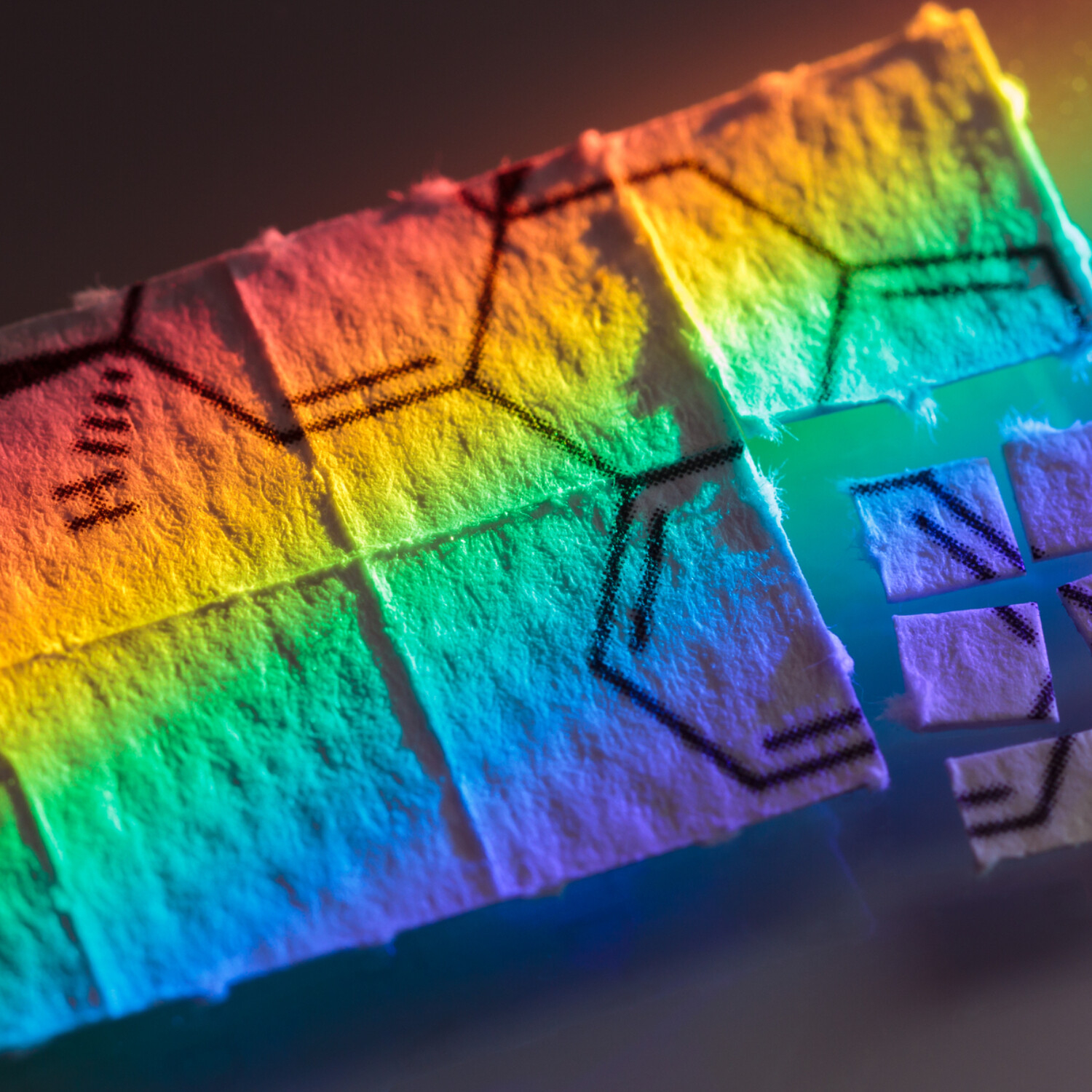
Everyone seems to be on psychedelics except me. People will go to the unlikeliest of places to sort their heads out, be it the internet, the rainforests of the Amazon, or even suburbia in London, UK. Like noticing the fi…
Aphasia. [not-audio_url] [/not-audio_url]

Duration: 7:43
Aphasia. Aphasia is a communication disorder that results from damage or injury to the language parts of the brain. It's usually caused by a stroke but can also be caused by other brain injuries, such as a tumour or head…
Romantic Chemistry [not-audio_url] [/not-audio_url]

Duration: 7:12
We’re all looking for that elusive, ‘spark’ – but what really ignites a long-lasting relationship? There is good news, Science is closing in on the answers. For centuries, our romantic fates were thought to be written in…
Micro-dosing psychedelics, and mental health [not-audio_url] [/not-audio_url]

Duration: 8:35
Micro-dosing psychedelics and mental health. Continuing with the psychedelic theme, and the potential benefits to mental health have been covered in a previous article and podcast. The key issues were the potential thera…
Optimal Gut Health [not-audio_url] [/not-audio_url]

Duration: 15:35
Have you ever wondered what the secret to overall good health is? Turns out, it all starts with your gut. The gut microbiome is an ecosystem of hundreds to thousands of microbial species living within the body. These pop…
Psychedelics on the Couch [not-audio_url] [/not-audio_url]

Duration: 1:26:58
The term “psychedelic” is derived from the Ancient Greek words “psyche” (meaning “mind”) and “delos” (which means “to manifest”). The British-born Canadian psychiatrist Humphry Osmond coined it in a letter to author Aldo…
Your anxiety may be physical [not-audio_url] [/not-audio_url]

Duration: 8:20
Experiencing occasional anxiety is a normal part of life, but you are not alone if you have experienced a mental health challenge over the past few years. We were already in an epidemic of anxiety before the pandemic, an…