I’m certainly SAD, how about you?

I’m certainly SAD, how about you?

Author: Mental Health Training Information November 13, 2022 Duration: 10:51

As the Christmas holiday is approaching, many consider it a magical and charming time for adults and children alike. However, it’s the least wonderful time of the year for sunlight.

Winter blues or seasonal affective disorder?

As many as one in five Americans report “winter blues” beginning around this time of year, making you feel more cranky and lethargic. For about one in twenty Americans, symptoms increase to a seasonal affective disorder (use the mnemonic word SAD to remember). 

It has been estimated that 10 to 15 per cent of Britons also struggle through Autumn and winter and suffer many of those symptoms, but are not clinically diagnosed as having depression.

A seasonal affective disorder (SAD) is caused by prolonged exposure to darkness and cold temperatures, and those shifts disrupt our neuroendocrine systems, particularly the hormones that regulate moods.

Traditionally, in the post-Agricultural era, human societies harvested crops in late summer and preserved foods in the fall or Autumn, depending on which side of the pond you lived.

Then pseudo-hibernation, staying comfortable and warm indoors with family in the winter. That annual cycle of birth, growth, harvesting and death is part of why so many societies have holidays relating to death, for example, in Día de Muertos, this time of year is the opportunity to remember loved ones who have died and honour their memory.

Sadly, for most current employment routes, less sunlight doesn’t typically equate to fewer working hours. Psychologists say that there is generally a sliding scale of seasonal sadness. At the lowest level, it makes us overeat, oversleep, and be grumpy.

Winter blues typically involve brief, low-level symptoms that don’t impact your day-to-day life. You might occasionally feel melancholic or tired, but those symptoms resolve quickly, if symptoms interfere with your ability to be productive and enjoy life during this stretch, seek help.

In contrast, you maintain typical mental health throughout most of the year but exhibit depressive symptoms simultaneously each year, most commonly in winter, thus only pointing towards A seasonal affective disorder.

Symptoms of a seasonal affective disorder include depression, listlessness, loss of interest in activities you used to enjoy, increased appetite (particularly craving carbohydrates and gaining weight), hopelessness or guilt, difficulty concentrating, weight gain, fatigue, excessive sleep and decreased sociality.

A point of curiosity, a high-sugar diet is associated with higher rates of mood and anxiety disorders and a tentative link to clinical depression. In disparity, sleeping well can work wonders in helping to boost our moods.

However, if these symptoms rise to a level where you feel you can’t control them with home remedies, or they disrupt your life to the point where you can’t function, it’s time to see a medical professional. You may need therapy, medication or other alternatives to help control your symptoms.

Strategies for seasonal affective disorder

Try light therapy

Brighten up your space

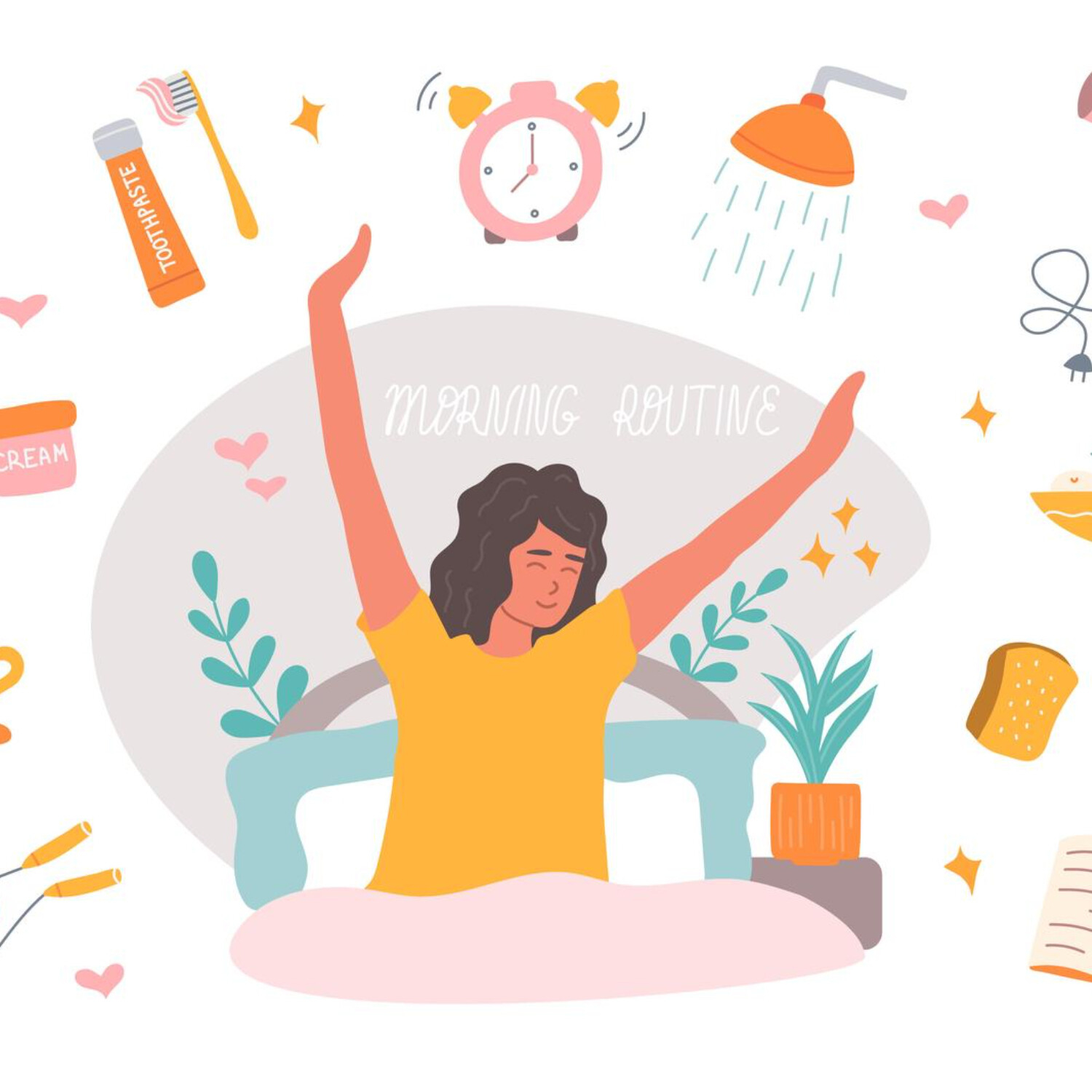
Create a routine

Get moving

Practice meditation and gratitude

Make a phone call that matters

Look on the bright side of life

Read more:


We all navigate a world that constantly tests our emotional and psychological resilience, yet practical guidance on maintaining mental well-being can feel scattered or overly clinical. Mental Health Training cuts through the noise, offering grounded conversations that connect the dots between personal fitness, our cultural environment, and the health of our relationships. Hosted by Mental Health Training Information, each episode functions like an accessible workshop, translating complex psychological concepts into everyday language and actionable strategies. You’ll hear discussions that range from managing daily stressors and building emotional fitness to understanding how societal pressures shape our individual mental landscapes. This isn't about quick fixes; it's about cultivating a sustainable, informed approach to your inner life. The podcast draws from a broad spectrum of expertise, reflecting its roots in education and society, to provide listeners with a comprehensive toolkit. Tune in for a thoughtful blend of personal stories, expert insights, and practical exercises designed to strengthen your mental framework. Find more depth and continue the conversation beyond the audio by visiting the show's website for extended resources. This is a space for anyone looking to move beyond awareness and into the practice of genuine mental health training.
Author: Language: English Episodes: 100

Mental Health Training
Podcast Episodes
Headache explained [not-audio_url] [/not-audio_url]

Duration: 38:12
One of the body’s most influential alarm signals is a headache, which is often a sign of physical or psychological overload. A headache occurs because of a primary or secondary cause. Globally, it has been estimated that…
What Is A Narcissistic Personality Disorder [not-audio_url] [/not-audio_url]

Duration: 7:02
What Is Narcissistic Personality Disorder? Narcissistic Personality Disorder (NPD) is a condition marked by a pattern of grandiosity, fixation on power fantasies, desire for admiration, arrogance, lack of empathy, and en…
Smart, Effective Ways to Protect Yourself from Negativity. [not-audio_url] [/not-audio_url]

Duration: 3:01
Smart, Effective Ways to Protect Yourself from Negativity Negativity affects your life on every level. It can ruin relationships, decrease work performance, and increase stress levels. The good news is that you can fight…
Boost Your Self-Respect [not-audio_url] [/not-audio_url]

Duration: 9:41
Self-respect and respect from others are closely aligned. They are both something that everyone desires. Self-esteem is an admirable trait. It is something that we can recognize in another person by their actions, attitu…
How, to look after the most important person in your life. [not-audio_url] [/not-audio_url]

Duration: 5:30
How to look after the most important person in your life. Interestingly, one of the things that we typically feel guilty about is taking care of our own needs. It feels downright selfish to focus on yourself when there i…
What’s Love Got to Do With It [not-audio_url] [/not-audio_url]

Duration: 10:17
What’s Love Got to Do With It One way to define love is as a strong connection between two individuals. This relationship can be either romantic or platonic. Romantic love means that both parties are attracted to each ot…
Increase Trust in Yourself [not-audio_url] [/not-audio_url]

Duration: 2:25
Tips to Increase Trust in Yourself You may have a difficult time trusting yourself. Don’t despair. You are not alone. It is something that many people experience, and find difficult to overcome. When you lose trust in ot…
How to enhance your well-being [not-audio_url] [/not-audio_url]

Duration: 27:33
Feeling a bit down lately, maintaining a positive mood when life gives us lemons can be challenging. If you are feeling down, there are ways to help yourself feel better. Here are some natural remedies that will help lif…
What’s the Difference Between Introverts and Extroverts? [not-audio_url] [/not-audio_url]

Duration: 9:43
Extroverts and introverts are two types of people who generally prefer different activities, environments, and work styles. Extroverts tend to be more social and enjoy being around other people, and they seek stimulation…
Five Steps to More Confident Decision Making [not-audio_url] [/not-audio_url]

Duration: 2:21
Five Steps to More Confident Decision-Making How do you make a decision? Do you know the steps? If you’re having trouble feeling confident in your actions and wish you had an unwavering self-belief in your decisions, may…