Mental Health In Literature, Part 2:

Mental Health In Literature, Part 2:

Author: Mental Health Training Information October 22, 2023 Duration: 25:07

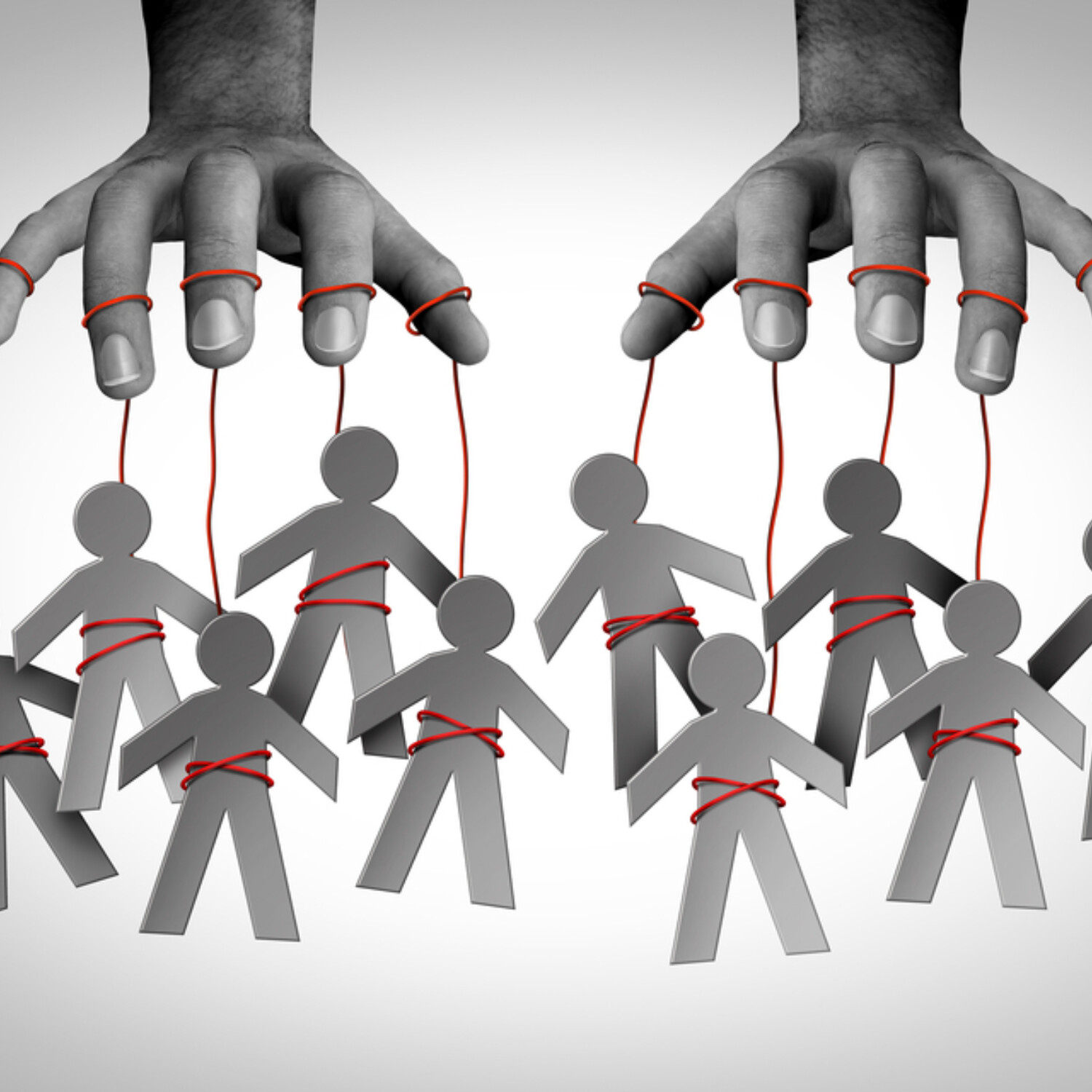
The previous article briefly discussed how the power of literature was a deadly weapon through newspapers, radio, and other media outlets, used in antisemitic propaganda by Adolf Hitler to dehumanise and vilify his enemies, primarily the Jews he called parasites. 

But for additional groups such as communists and non-Aryans, the word was used in Germany to describe a future genius race and then later labelled by philosophers as Social Darwinism to justify their despicable acts. [cited: Mein Kampf]

Germany’s economic collapse in 1918 was attributed to a combination of factors. First, the military defeat in World War I played a significant role in Germany’s failure. The country had suffered heavy casualties, and the Allies imposed severe terms on Germany through the Treaty of Versailles, which included massive reparations payments and territorial losses. 

Hitler portrayed himself as a charismatic and assertive leader who could lead Germany back to victory and prosperity. His speeches were carefully crafted to instil loyalty and Idolatry among his followers—manipulation of the Media. They spread misinformation through newspapers, radio, and other media outlets, creating a distorted reality that further reinforced their narrative.

Hitler recognised the importance of indoctrinating youth to ensure the longevity of his ideology. Nazi propaganda infiltrated the education system, influencing textbooks and curricula to shape young minds following the regime’s beliefs.

Joseph Goebbels: The mastermind behind Hitler’s propaganda machine, before finally observing the demonisation and dehumanisation of Jews and scapegoating by portraying them as the cause of Germany’s problems. - hence the Holocaust. 

The second part of the previous article, Charlotte Brontë novel Jane Eyre, offers readers a captivating book that explores complex themes of love through the unconventional romance between Jane and Mr Rochester and challenges traditional notions of love and marriage—her choice of independence and emotional ambivalence only highlights the struggles by women’s in Victorian society.

Charlotte Brontë came from a strong religious background and incorporated biblical allusions and moral dilemmas into the narrative. You are left with many questions and points of reflection. It is not explicitly stated that Mr. Rochester married Bertha Mason for her money.

Mr. Rochester’s family arranged their marriage for financial gain, as Bertha came from a wealthy family in the West Indies. However, it is essential to note that Mr. Rochester was unaware of Bertha’s mental illness during their marriage. Once he discovered her condition, he felt trapped in their marriage and could not divorce her due to societal and legal constraints.

The discussion of Mr. Rochester’s motivation for marrying Bertha is open to interpretation, as the novel focuses more on Jane Eyre’s personal growth and journey.

Did Jane Eyre exhibit codependency traits, as she constantly seeks approval and validation from others and often sacrifices her own needs and desires to serve others, particularly Mr. Rochester?

On the other hand, Mr Rochester displays narcissistic tendencies with his inflated sense of ego, manipulating and controlling those around him, specifically Jane, for his own gratification. Whereas did Mr Rochester also display characteristics of the patriarchal system during this period, and such behaviour was considered the norm?

The power dynamics and toxic relationship between Jane and Rochester can reflect either echoism or codependency, allowing Mr Rochester’s narcissism to thrive as she enables his selfish behaviour and sacrifices her personal needs and desires. Thereby highlighting the complexities and challenges of their relationship.

Learn more


We all navigate a world that constantly tests our emotional and psychological resilience, yet practical guidance on maintaining mental well-being can feel scattered or overly clinical. Mental Health Training cuts through the noise, offering grounded conversations that connect the dots between personal fitness, our cultural environment, and the health of our relationships. Hosted by Mental Health Training Information, each episode functions like an accessible workshop, translating complex psychological concepts into everyday language and actionable strategies. You’ll hear discussions that range from managing daily stressors and building emotional fitness to understanding how societal pressures shape our individual mental landscapes. This isn't about quick fixes; it's about cultivating a sustainable, informed approach to your inner life. The podcast draws from a broad spectrum of expertise, reflecting its roots in education and society, to provide listeners with a comprehensive toolkit. Tune in for a thoughtful blend of personal stories, expert insights, and practical exercises designed to strengthen your mental framework. Find more depth and continue the conversation beyond the audio by visiting the show's website for extended resources. This is a space for anyone looking to move beyond awareness and into the practice of genuine mental health training.
Author: Language: English Episodes: 100

Mental Health Training
Podcast Episodes
Gaslighting in Relationships: How to Heal and Move Forward [not-audio_url] [/not-audio_url]

Duration: 9:22
Gaslighting in Relationships: How to Heal and Move Forward. Gaslighting is a form of emotional abuse in which an individual manipulates another person to doubt their own perceptions, feelings and thoughts, ultimately lea…
Echoism vs Narcissism: What’s the Difference? [not-audio_url] [/not-audio_url]

Duration: 20:40
Echoism vs Narcissism: What’s the Difference? Have you heard of Echoism? It’s a term that describes individuals who tend to repeat what others say to avoid conflict or assert their own opinions. In a world where narcissi…
Hypertension on the Couch [not-audio_url] [/not-audio_url]

Duration: 20:12
Hypertension, commonly known as high blood pressure, is often called the “silent killer” because it can go unnoticed until it causes severe health problems. In fact, hypertension affects over 1 billion people worldwide a…
Hypochondria and Mental Health: The Link Between Anxiety and Illness [not-audio_url] [/not-audio_url]

Duration: 26:26
Have you ever experienced anxiety about your health, even when there’s no medical reason to do so? Perhaps you worry about having a severe illness, despite your doctor reassuring you that you’re healthy. This anxiety cou…
How to Make the Most of good stress and Manage the Bad [not-audio_url] [/not-audio_url]

Duration: 10:11
How to Make the Most of good stress and Manage the Bad by Marissa Downes Stress, or more accurately distress, occurs when the demands on a person exceed their abilities, skills, or coping strategies. “Stress is a respons…
My rugby injuries made me suicidal – psychedelic drugs saved me [not-audio_url] [/not-audio_url]

Duration: 9:20
Lying on a mat around a fire in the Costa Rican jungle, I was too terrified to speak. I had just taken iboga, a psychedelic plant medicine native to Central Africa, in a desperate attempt to avoid taking my own life. It…
Do I have Misophonia? [not-audio_url] [/not-audio_url]

Duration: 4:47
Do I have Misophonia? Have you ever felt a strong adverse reaction to sounds that most people find insignificant, such as someone eating or tapping their feet, becoming unbearable? If so, you may be experiencing misophon…
I took magic mushrooms to relieve the stress of motherhood [not-audio_url] [/not-audio_url]

Duration: 14:33
I took magic mushrooms to relieve the stress of motherhood. Do you know that saying about the Sixties? If you remember them, you weren’t there? My parents remember the Isle of Wight Festival in 1969, where Bob Dylan head…
Why Do I Feel More Anxious at Night? [not-audio_url] [/not-audio_url]

Duration: 7:27
Why Do I Feel More Anxious at Night? The quiet hours can bring a lot of internal chatter, and here’s how to deal with it. Whenever you try to fall asleep at night, many anxious thoughts and embarrassing memories come rac…