Mental Health In Literature, Part 2:

Mental Health In Literature, Part 2:

Author: Mental Health Training Information October 22, 2023 Duration: 25:07

The previous article briefly discussed how the power of literature was a deadly weapon through newspapers, radio, and other media outlets, used in antisemitic propaganda by Adolf Hitler to dehumanise and vilify his enemies, primarily the Jews he called parasites. 

But for additional groups such as communists and non-Aryans, the word was used in Germany to describe a future genius race and then later labelled by philosophers as Social Darwinism to justify their despicable acts. [cited: Mein Kampf]

Germany’s economic collapse in 1918 was attributed to a combination of factors. First, the military defeat in World War I played a significant role in Germany’s failure. The country had suffered heavy casualties, and the Allies imposed severe terms on Germany through the Treaty of Versailles, which included massive reparations payments and territorial losses. 

Hitler portrayed himself as a charismatic and assertive leader who could lead Germany back to victory and prosperity. His speeches were carefully crafted to instil loyalty and Idolatry among his followers—manipulation of the Media. They spread misinformation through newspapers, radio, and other media outlets, creating a distorted reality that further reinforced their narrative.

Hitler recognised the importance of indoctrinating youth to ensure the longevity of his ideology. Nazi propaganda infiltrated the education system, influencing textbooks and curricula to shape young minds following the regime’s beliefs.

Joseph Goebbels: The mastermind behind Hitler’s propaganda machine, before finally observing the demonisation and dehumanisation of Jews and scapegoating by portraying them as the cause of Germany’s problems. - hence the Holocaust. 

The second part of the previous article, Charlotte Brontë novel Jane Eyre, offers readers a captivating book that explores complex themes of love through the unconventional romance between Jane and Mr Rochester and challenges traditional notions of love and marriage—her choice of independence and emotional ambivalence only highlights the struggles by women’s in Victorian society.

Charlotte Brontë came from a strong religious background and incorporated biblical allusions and moral dilemmas into the narrative. You are left with many questions and points of reflection. It is not explicitly stated that Mr. Rochester married Bertha Mason for her money.

Mr. Rochester’s family arranged their marriage for financial gain, as Bertha came from a wealthy family in the West Indies. However, it is essential to note that Mr. Rochester was unaware of Bertha’s mental illness during their marriage. Once he discovered her condition, he felt trapped in their marriage and could not divorce her due to societal and legal constraints.

The discussion of Mr. Rochester’s motivation for marrying Bertha is open to interpretation, as the novel focuses more on Jane Eyre’s personal growth and journey.

Did Jane Eyre exhibit codependency traits, as she constantly seeks approval and validation from others and often sacrifices her own needs and desires to serve others, particularly Mr. Rochester?

On the other hand, Mr Rochester displays narcissistic tendencies with his inflated sense of ego, manipulating and controlling those around him, specifically Jane, for his own gratification. Whereas did Mr Rochester also display characteristics of the patriarchal system during this period, and such behaviour was considered the norm?

The power dynamics and toxic relationship between Jane and Rochester can reflect either echoism or codependency, allowing Mr Rochester’s narcissism to thrive as she enables his selfish behaviour and sacrifices her personal needs and desires. Thereby highlighting the complexities and challenges of their relationship.

Learn more


We all navigate a world that constantly tests our emotional and psychological resilience, yet practical guidance on maintaining mental well-being can feel scattered or overly clinical. Mental Health Training cuts through the noise, offering grounded conversations that connect the dots between personal fitness, our cultural environment, and the health of our relationships. Hosted by Mental Health Training Information, each episode functions like an accessible workshop, translating complex psychological concepts into everyday language and actionable strategies. You’ll hear discussions that range from managing daily stressors and building emotional fitness to understanding how societal pressures shape our individual mental landscapes. This isn't about quick fixes; it's about cultivating a sustainable, informed approach to your inner life. The podcast draws from a broad spectrum of expertise, reflecting its roots in education and society, to provide listeners with a comprehensive toolkit. Tune in for a thoughtful blend of personal stories, expert insights, and practical exercises designed to strengthen your mental framework. Find more depth and continue the conversation beyond the audio by visiting the show's website for extended resources. This is a space for anyone looking to move beyond awareness and into the practice of genuine mental health training.
Author: Language: English Episodes: 100

Mental Health Training
Podcast Episodes
Helping your child sleep better. [not-audio_url] [/not-audio_url]

Duration: 12:43
Helping your child sleep better. The number of children being prescribed the previous jet lag hormone melatonin to help their child sleep has nearly tripled in the past seven years. Melatonin is indeed not a sleep hormon…
Let's talk about your inner monologue [not-audio_url] [/not-audio_url]

Duration: 3:36
Building upon a previous podcast on self-talk because many of us, when we read something, you hear a little voice in our head. Most of us would refer to this as an inner monologue. Just in case you didn’t know, many indi…
Therapy on a budget for generation Z [not-audio_url] [/not-audio_url]

Duration: 8:25
According to the National Institute of Mental Health, in 2020, young adults aged 18 to 24 had the highest prevalence of mental health issues. Though mental health issues are common among Gen Z, indi­vid­u­als born betwee…
I’m certainly SAD, how about you? [not-audio_url] [/not-audio_url]

Duration: 10:51
As the Christmas holiday is approaching, many consider it a magical and charming time for adults and children alike. However, it’s the least wonderful time of the year for sunlight. Winter blues or seasonal affective dis…
Positive Self Talk [not-audio_url] [/not-audio_url]

Duration: 7:55
Positive Self Talk Self-talk: How often do you hear that little voice in your head tell you that you aren’t good enough? Negative self-talk can hinder your progress in life and hold you back from fulfilling your dreams.…
Overcome Obstacles by Removing Self-Doubt [not-audio_url] [/not-audio_url]

Duration: 2:59
Overcome Obstacles by Removing Self-Doubt People doubt themselves and their abilities. When it becomes a chronic situation, it can hold people back from getting what they want. Confidence will break through the barriers…
Six  Beneficial Ways to Deal with Critical Individuals [not-audio_url] [/not-audio_url]

Duration: 2:25
Six Beneficial Ways to Deal with Critical People Constructive criticism is fine, but some people are so relentlessly negative that they can suck the joy out of life. No matter what happy news you might have, they are gua…
Big five personality traits: Who are you? [not-audio_url] [/not-audio_url]

Duration: 11:54
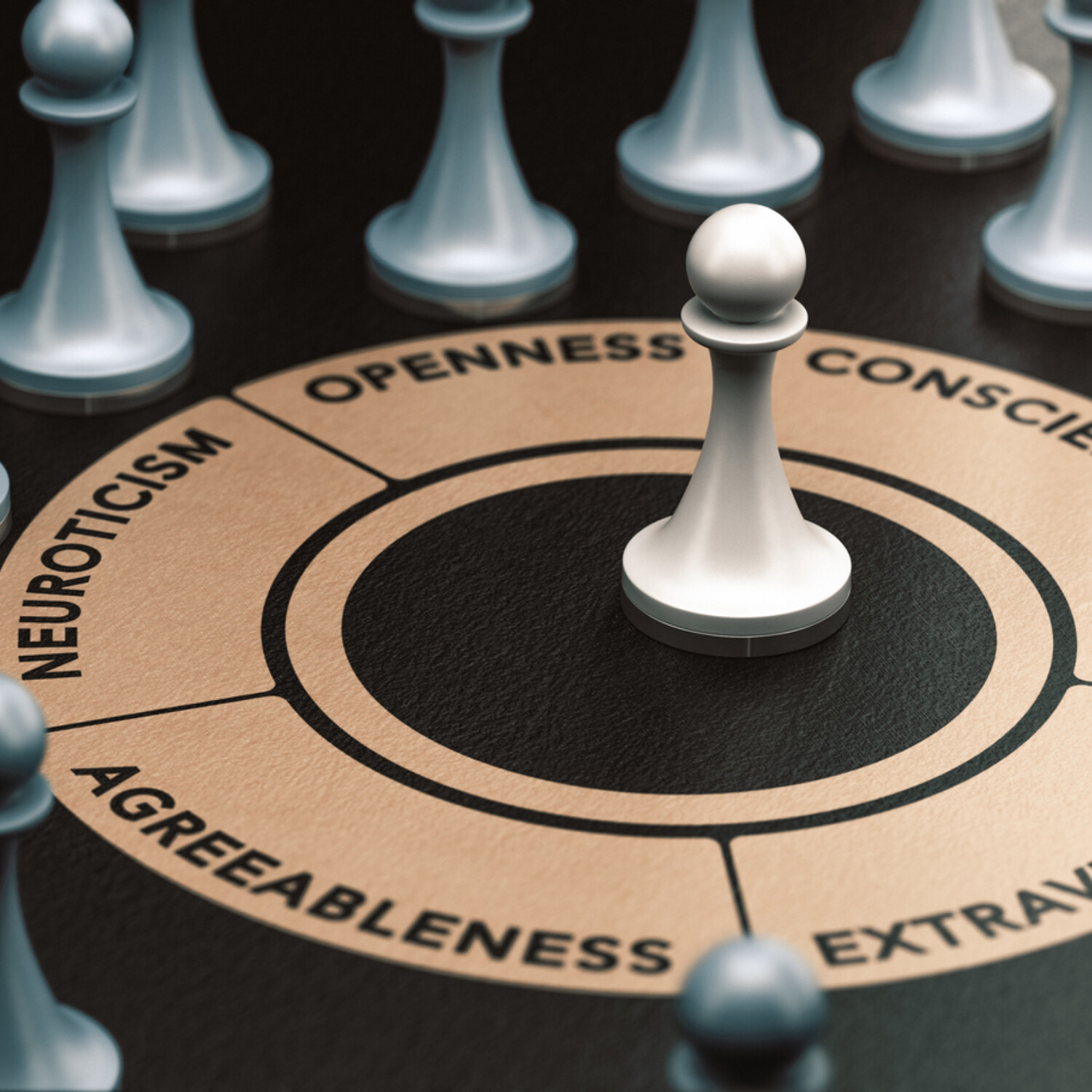
An individual’s personality traits define how they perceive the world around them. It is a set of characteristics and features that cause them to think, feel, and behave in a particular way. Personality traits are charac…
Doom and Gloom Thinking [not-audio_url] [/not-audio_url]

Duration: 13:51
Doom and Gloom Thinking Expecting the worst to happen in any situation can harm your mental health. How do we stop this unhealthy thinking Imagine you’ve applied for a dream appointment and have now been nominated for th…
Co-dependency Malaise [not-audio_url] [/not-audio_url]

Duration: 14:49
Co-dependency Malaise Robert Burney once coined the term “co-dependent” in the 1940s and defined it as someone who depends on another person to meet their emotional needs. Co-dependency is putting somebody else’s needs b…