The truth about PTSD, its causes and cures

The truth about PTSD, its causes and cures

Author: Mental Health Training Information March 19, 2023 Duration: 6:45

The torrent of personal revelations that has poured from Prince Harry of late has been met with a range of reactions, from sympathy through to fury. But quite why he has pressed the nuclear button and blown up all before him, in such a public, uncompromising fashion, has remained a puzzle to some. One possible explanation, suggested earlier this month by Philip Ingram, a former colonel in the British Army, is that Harry is suffering from post-traumatic stress disorder (PTSD). 

Ingram pointed out in a newspaper article that what Harry went through in childhood - the loss of his mother in a car crash, amid overwhelming media interest - “would break many normal people,” and that his deployment to Afghanistan with the Army brought additional stresses (even if Harry claims military service “saved” him) . Is it possible, then, that trauma lies behind his current behaviour, which from the outside appears more self-destructive than healing? 

That soldiers can suffer PTSD after leaving the battlefield is by now well established. In the First World War, it was dubbed shell shock, and has since been recognised as a medical condition, a type of anxiety disorder. But it is one that can also be caused by any situation a person finds traumatic, from road accidents and sex attacks to domestic or child abuse, health problems and even childbirth. PTSD can result from grief, too, says psychotherapist Julia Samuel. 

While in most cases, traumas are processed relatively quickly (in weeks rather than years), in a minority of cases, the trauma remains “locked in the brain, untouched and unresolved, as if it were in the present,” which can lead the sufferer to see the world differently, says Samuel, who was a close friend of Diana’s and is godmother to Prince George, Harry’s nephew. “You can have it on the brain decades after the event. It has no sense of time, it is present in the body. Trauma then heightens your sense of fear and response to the world: the world seems more dangerous.”

Multiple studies have pointed to changes in the brain associated with PTSD. The condition is typically diagnosed by a psychiatrist via a mental health assessment, not a brain scan, but research shows the amygdala - the part of the brain that deals with emotional responses - is more active in those who suffer from it. 

“The trauma is stored in the amygdala, which is the part of the brain that’s always looking for threats,” says Samuel. “It can’t cognitively be processed.”

Symptoms of PTSD can include vivid flashbacks, intrusive thoughts, nightmares, becoming easily upset or angry, extreme alertness, disturbed sleep, irritability and aggressive behaviour, poor concentration and, indeed, carrying out self-destructive or reckless acts, according to an extensive list from mental health charity Mind. 


We all navigate a world that constantly tests our emotional and psychological resilience, yet practical guidance on maintaining mental well-being can feel scattered or overly clinical. Mental Health Training cuts through the noise, offering grounded conversations that connect the dots between personal fitness, our cultural environment, and the health of our relationships. Hosted by Mental Health Training Information, each episode functions like an accessible workshop, translating complex psychological concepts into everyday language and actionable strategies. You’ll hear discussions that range from managing daily stressors and building emotional fitness to understanding how societal pressures shape our individual mental landscapes. This isn't about quick fixes; it's about cultivating a sustainable, informed approach to your inner life. The podcast draws from a broad spectrum of expertise, reflecting its roots in education and society, to provide listeners with a comprehensive toolkit. Tune in for a thoughtful blend of personal stories, expert insights, and practical exercises designed to strengthen your mental framework. Find more depth and continue the conversation beyond the audio by visiting the show's website for extended resources. This is a space for anyone looking to move beyond awareness and into the practice of genuine mental health training.
Author: Language: English Episodes: 100

Mental Health Training
Podcast Episodes
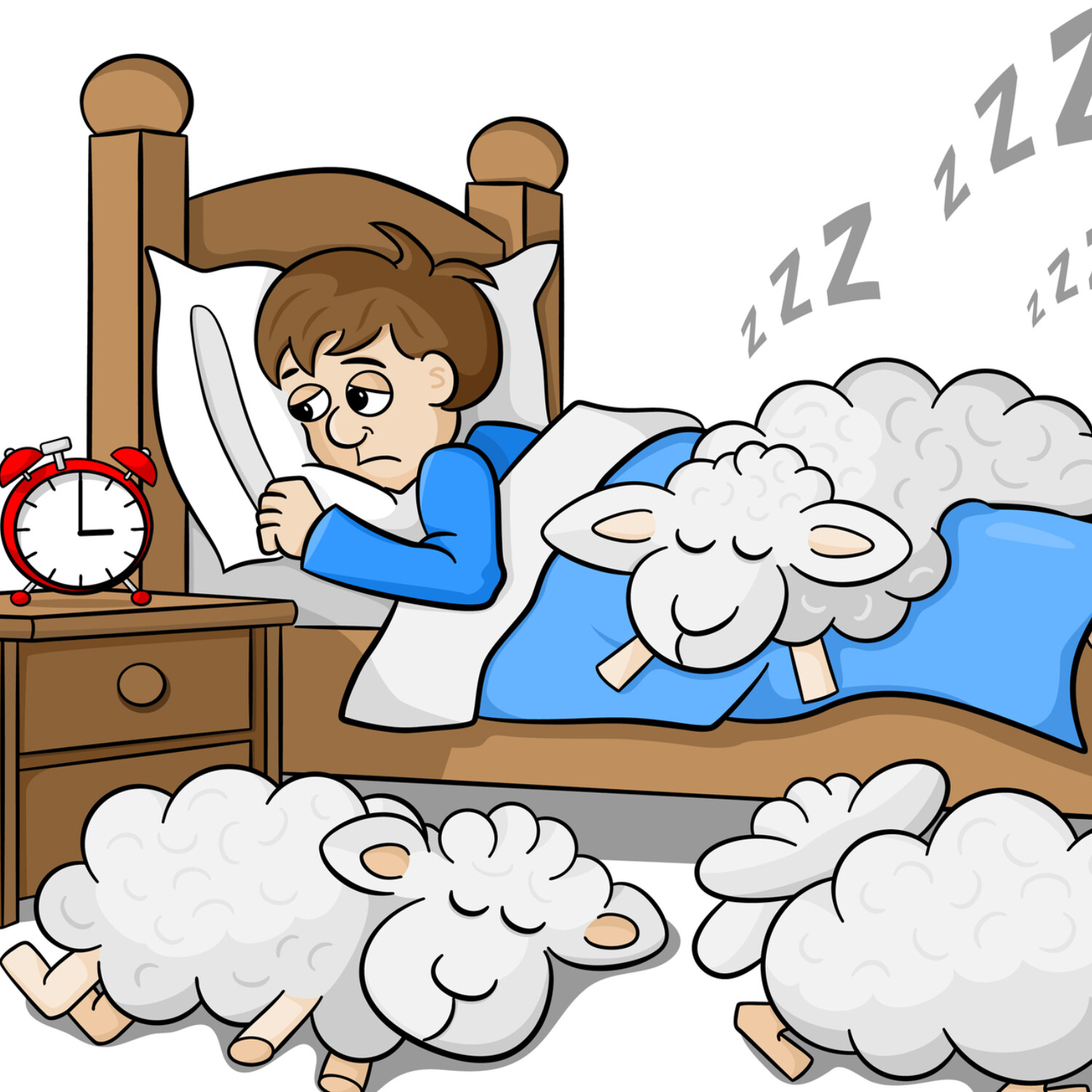
Helping your child sleep better. [not-audio_url] [/not-audio_url]

Duration: 12:43
Helping your child sleep better. The number of children being prescribed the previous jet lag hormone melatonin to help their child sleep has nearly tripled in the past seven years. Melatonin is indeed not a sleep hormon…
Let's talk about your inner monologue [not-audio_url] [/not-audio_url]

Duration: 3:36
Building upon a previous podcast on self-talk because many of us, when we read something, you hear a little voice in our head. Most of us would refer to this as an inner monologue. Just in case you didn’t know, many indi…
Therapy on a budget for generation Z [not-audio_url] [/not-audio_url]

Duration: 8:25
According to the National Institute of Mental Health, in 2020, young adults aged 18 to 24 had the highest prevalence of mental health issues. Though mental health issues are common among Gen Z, indi­vid­u­als born betwee…
I’m certainly SAD, how about you? [not-audio_url] [/not-audio_url]

Duration: 10:51
As the Christmas holiday is approaching, many consider it a magical and charming time for adults and children alike. However, it’s the least wonderful time of the year for sunlight. Winter blues or seasonal affective dis…
Positive Self Talk [not-audio_url] [/not-audio_url]

Duration: 7:55
Positive Self Talk Self-talk: How often do you hear that little voice in your head tell you that you aren’t good enough? Negative self-talk can hinder your progress in life and hold you back from fulfilling your dreams.…
Overcome Obstacles by Removing Self-Doubt [not-audio_url] [/not-audio_url]

Duration: 2:59
Overcome Obstacles by Removing Self-Doubt People doubt themselves and their abilities. When it becomes a chronic situation, it can hold people back from getting what they want. Confidence will break through the barriers…
Six  Beneficial Ways to Deal with Critical Individuals [not-audio_url] [/not-audio_url]

Duration: 2:25
Six Beneficial Ways to Deal with Critical People Constructive criticism is fine, but some people are so relentlessly negative that they can suck the joy out of life. No matter what happy news you might have, they are gua…
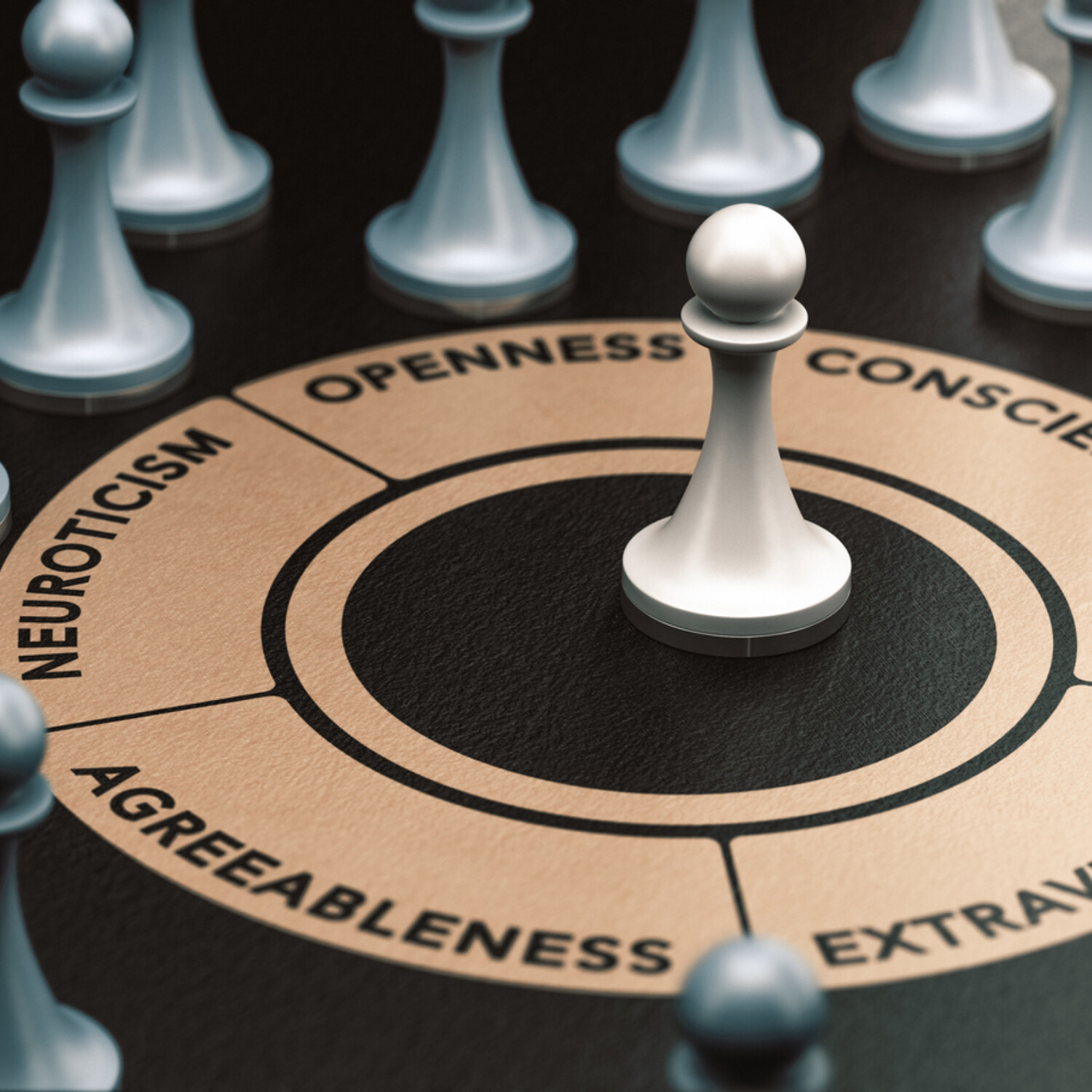
Big five personality traits: Who are you? [not-audio_url] [/not-audio_url]

Duration: 11:54
An individual’s personality traits define how they perceive the world around them. It is a set of characteristics and features that cause them to think, feel, and behave in a particular way. Personality traits are charac…
Doom and Gloom Thinking [not-audio_url] [/not-audio_url]

Duration: 13:51
Doom and Gloom Thinking Expecting the worst to happen in any situation can harm your mental health. How do we stop this unhealthy thinking Imagine you’ve applied for a dream appointment and have now been nominated for th…
Co-dependency Malaise [not-audio_url] [/not-audio_url]

Duration: 14:49
Co-dependency Malaise Robert Burney once coined the term “co-dependent” in the 1940s and defined it as someone who depends on another person to meet their emotional needs. Co-dependency is putting somebody else’s needs b…