341E-364-Laser Surfing

341E-364-Laser Surfing

Author: Albert D. Grauer June 17, 2025 Duration: 2:01
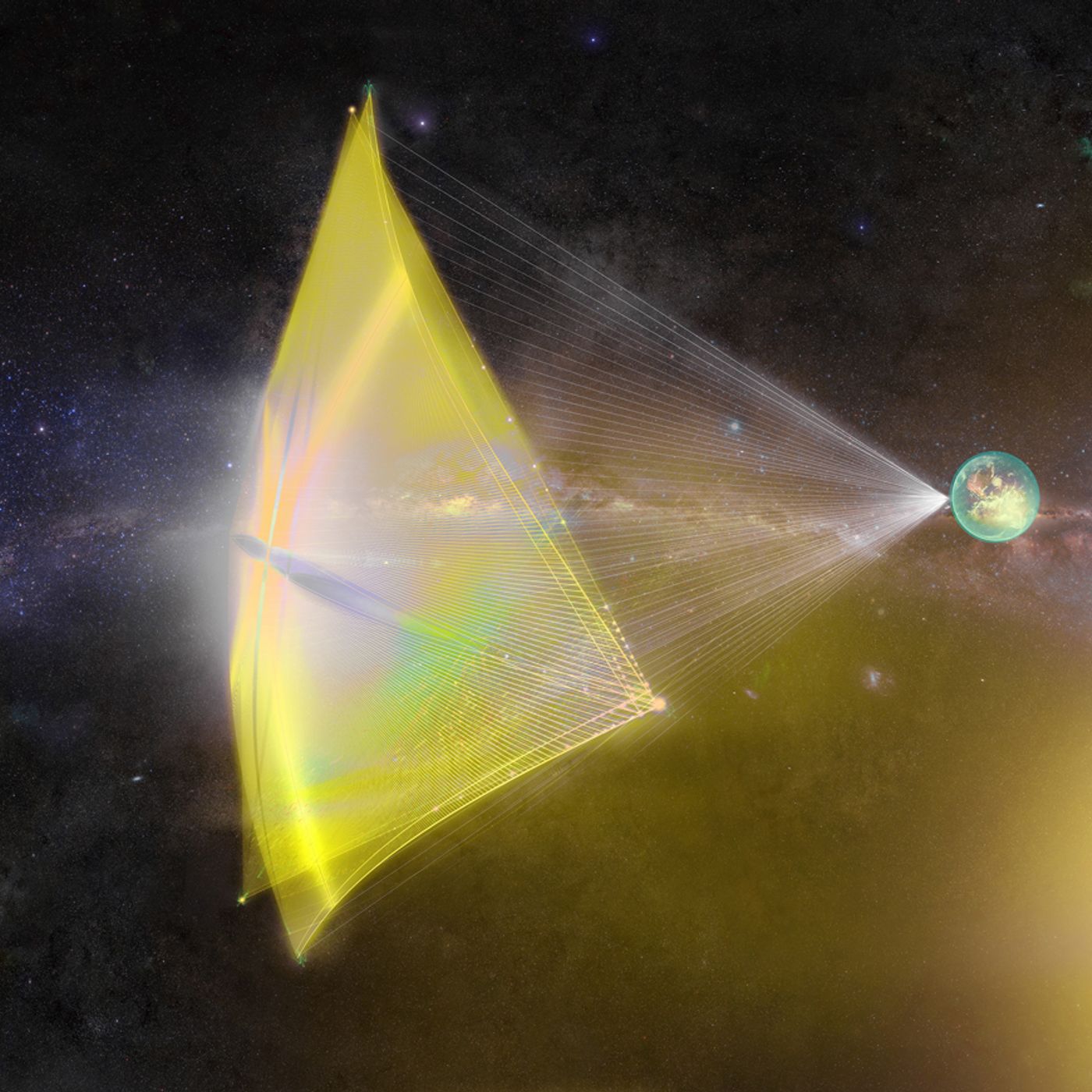
When we find a planet which appears to have the chemical signs of living organisms in its atmosphere, the desire to take a close up look at it will be hard to contain. In a Scientific American article, Lee Billings describes Yuri Milner's 100 million dollar project "Breakthrough Starshot" which has been created to leap frog our current rocket technology's extremely long travel times to nearby planets. The plan is to put ultra light space probes on paths which will enable them to collect data as they streak by nearby potentially habitable planets. Our current iPhone technology is being used to envision a tiny robotic space probe which features cameras, life detecting sensors, maneuvering rockets, computers, and communications gear and yet has a mass of about that of a dime. Photons from 100 gigawatt pulses from a ground based laser array are then envisioned to reflect off the tiny spacecrafts solar sail where they transfer momentum to the space craft accelerating it to 20% of the speed of light. Numbers of these tiny robotic investigators could be launched together into Earth orbit and perhaps one a day could be sent towards a nearby star accelerated by laser pulses each of which contains the energy required to send a space shuttle into orbit. In a few decades closeup views and data from nearby worlds would begin streaming back towards the residents of our planet. The cost of investigating our planetary life hosting neighbors is likely to be less than what the US is planning to spend upgrading its nuclear weapons.

Each episode of Travelers In The Night feels like a quiet, personal conversation under a dark sky. Hosted by astronomer Dr. Albert D. Grauer, this podcast brings the distant cosmos into sharp, intimate focus. Dr. Grauer isn't just an observer; he's an active participant in the hunt, working with the Catalina Sky Survey team that has consistently discovered near-Earth asteroids for years. In these brief and engaging segments, you'll hear firsthand accounts of what it's like to track these ancient celestial travelers-the asteroids and comets that silently pass by our world. The discussions move beyond simple facts to explore the real-world implications of these discoveries, from planetary defense to the sheer wonder of our dynamic solar system. Accompanied by the contemplative music of John Lyell's "Eternity," each installment offers a moment of calm reflection on humanity's place in the universe. It’s a perfect blend of grounded science and cosmic curiosity, making complex astronomical concepts accessible and deeply fascinating. For anyone who has ever looked up and wondered what's out there moving in the dark, this podcast provides a direct line to the front lines of discovery.
Author: Language: English Episodes: 100

Travelers In The Night
Podcast Episodes
370E-403-Double Comet [not-audio_url] [/not-audio_url]

Duration: 2:01
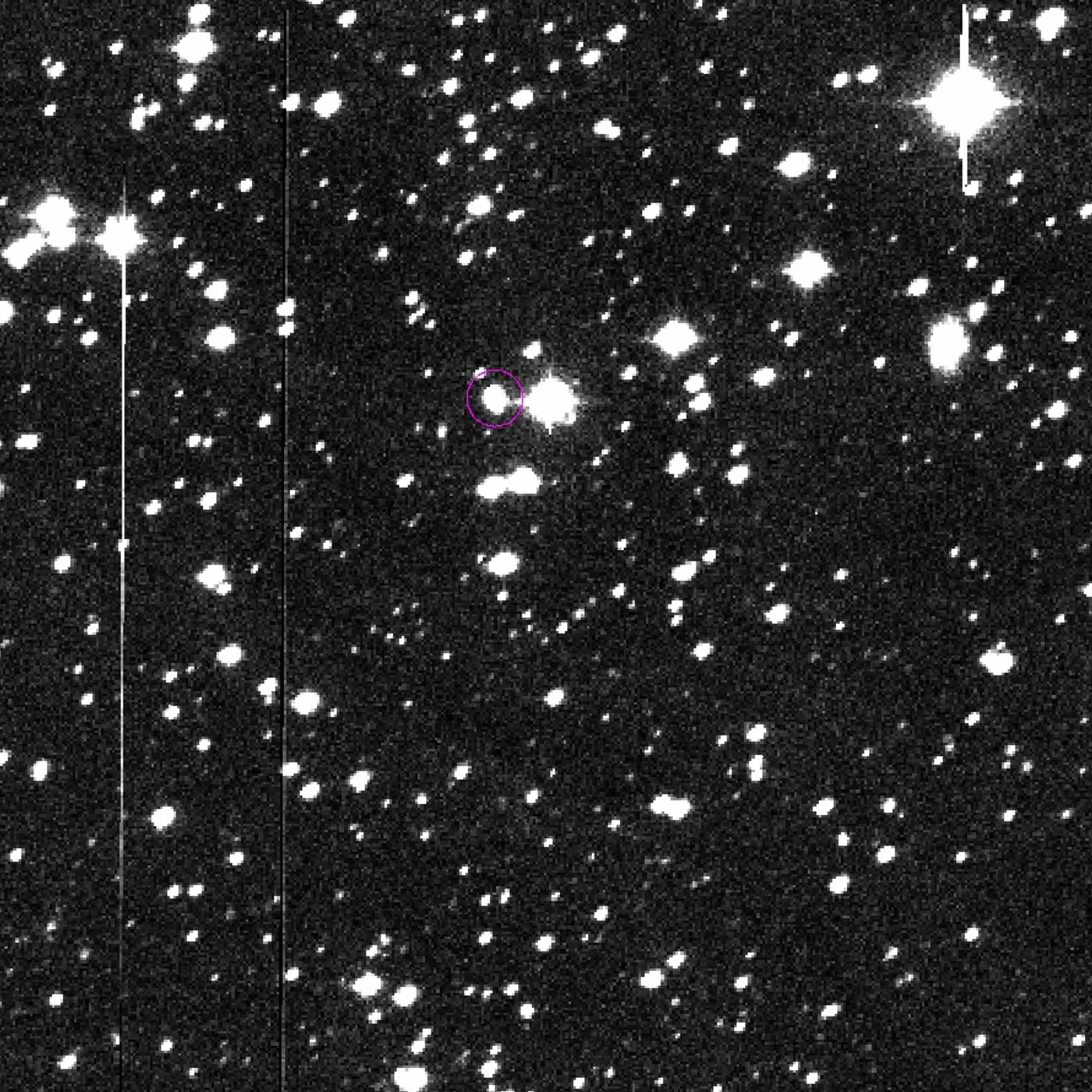
In November of 2006, University of Arizona's Spacewatch astronomers on Kitt Peak discovered a faint moving point of light in the night sky which appeared to be a garden variety main belt asteroid orbiting the Sun between…
882-David’s Goliath PHA [not-audio_url] [/not-audio_url]

Duration: 2:01
My Catalina Sky Survey teammate David Rankin was asteroid hunting in the evening twilight with our 60 inch telescope on Mt. Lemmon Arizona when he spotted an unknown object in the constellation of Lyra. The largest teles…
369E-401-Night Vision [not-audio_url] [/not-audio_url]

Duration: 2:01
Many people in our modern world rarely if ever experience night vision. To achieve this interesting state of sensory awareness you cannot look at your cell phone or any other source of bright light for 30 to 45 minutes.…
881-Dangerous Comets [not-audio_url] [/not-audio_url]

Duration: 2:01
It is possible the object creating the Tunguska event in Russia 1908 which knocked down 80 million trees over an area about twice the size of New York City was a fragment of a comet or asteroid. The International Asteroi…
368E-400-Roving Venus [not-audio_url] [/not-audio_url]

Duration: 2:01
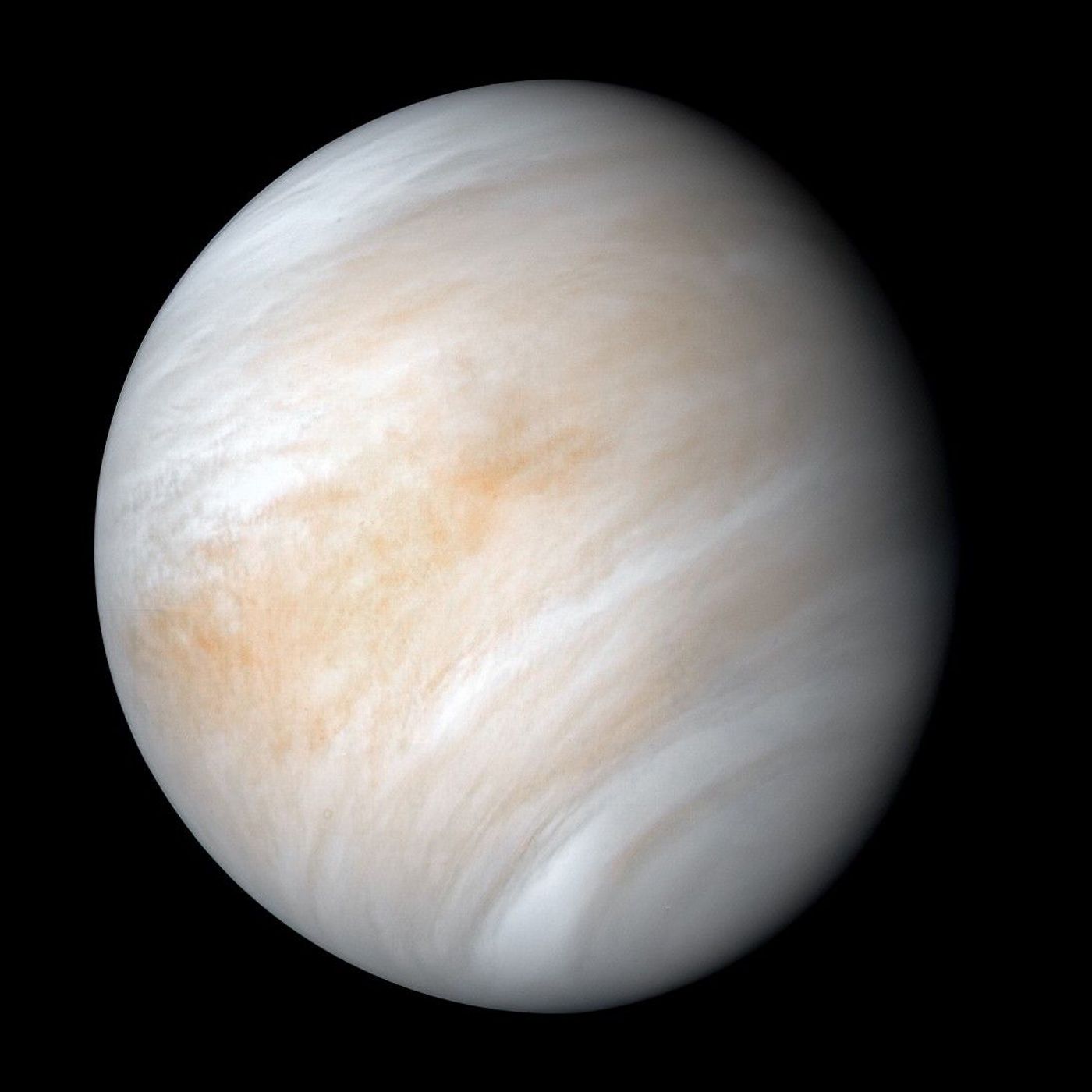
Venus and Earth are similar in size, composition, density, and mass. Unfortunately, our sister planet Venus is an example of a place where green house gases have created an extreme situation. Venus's thick carbon dioxide…
880-Carrington Anticipated [not-audio_url] [/not-audio_url]

Duration: 2:01
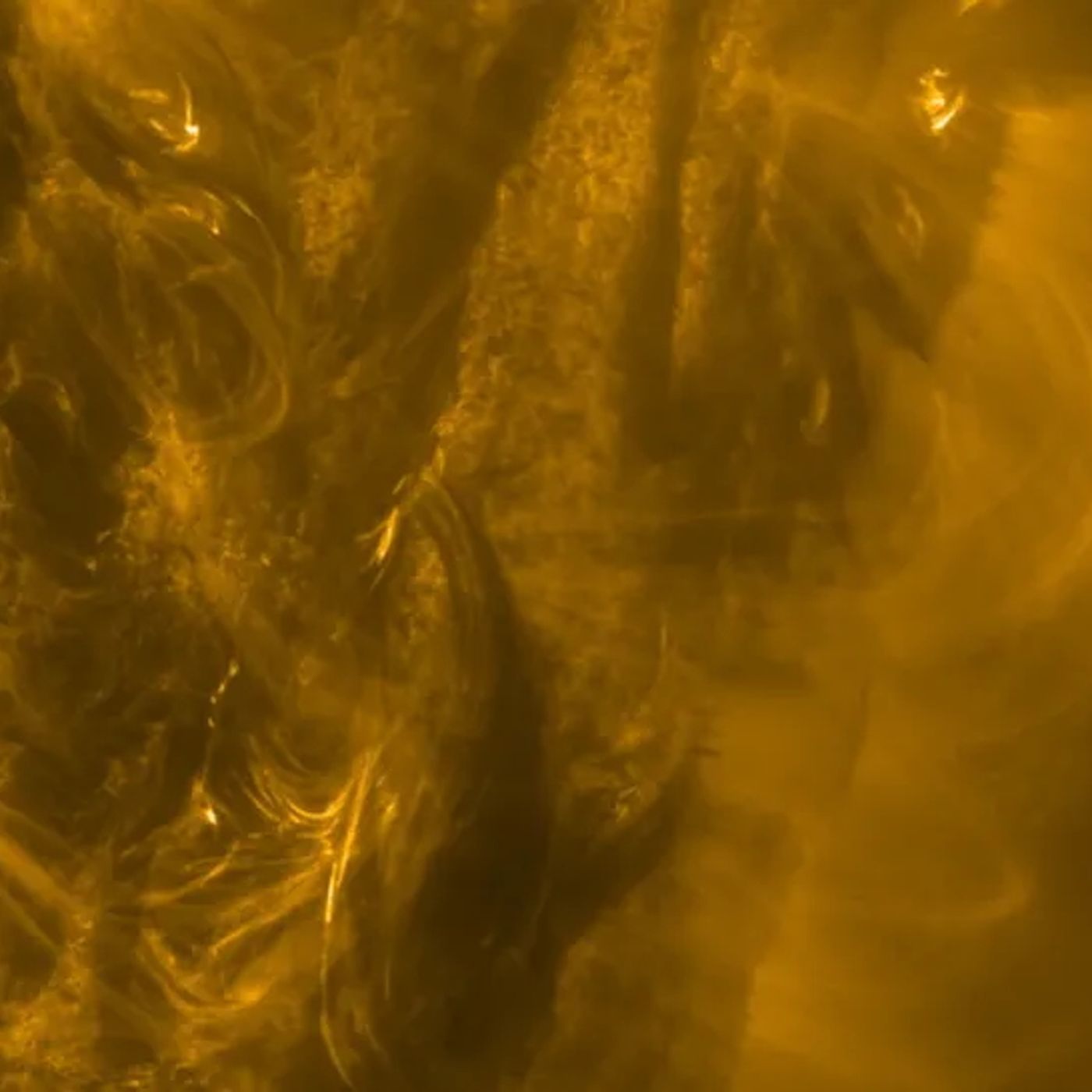
Just before noon on September 1st of 1859 Richard Carrington and Richard Hodgson were making sketches of clusters of sunspots when they were nearly blinded by an intense solar flare. 17.6 hours later a geomagnetic storm…
367E-399-Moons of Florence [not-audio_url] [/not-audio_url]

Duration: 2:01
Dr Lance Benner of NASA's Jet Propulsion Laboratory headed up a team of scientists who used the 70 meter antenna at NASA's Goldstone Deep Space Communications Complex to bounce RADAR beams off of the asteroid Florence as…
879-Lurking Asteroid [not-audio_url] [/not-audio_url]

Duration: 2:01
The Dark Energy Camera on the National Science Foundation’s Blanco 4-meter telescope on Cerro Tololo in Chile is taking near Sun twilight images to search for asteroids, hidden in the glare of our Sun, sneaking up on hom…
366E-398-Mars Rocks [not-audio_url] [/not-audio_url]

Duration: 2:01
At about 2AM on July 18, 2011 several people in near Tata, Morocco saw a bright fireball which was described by one of them to be initially yellow, then turned green, and finally exploded into several pieces producing tw…
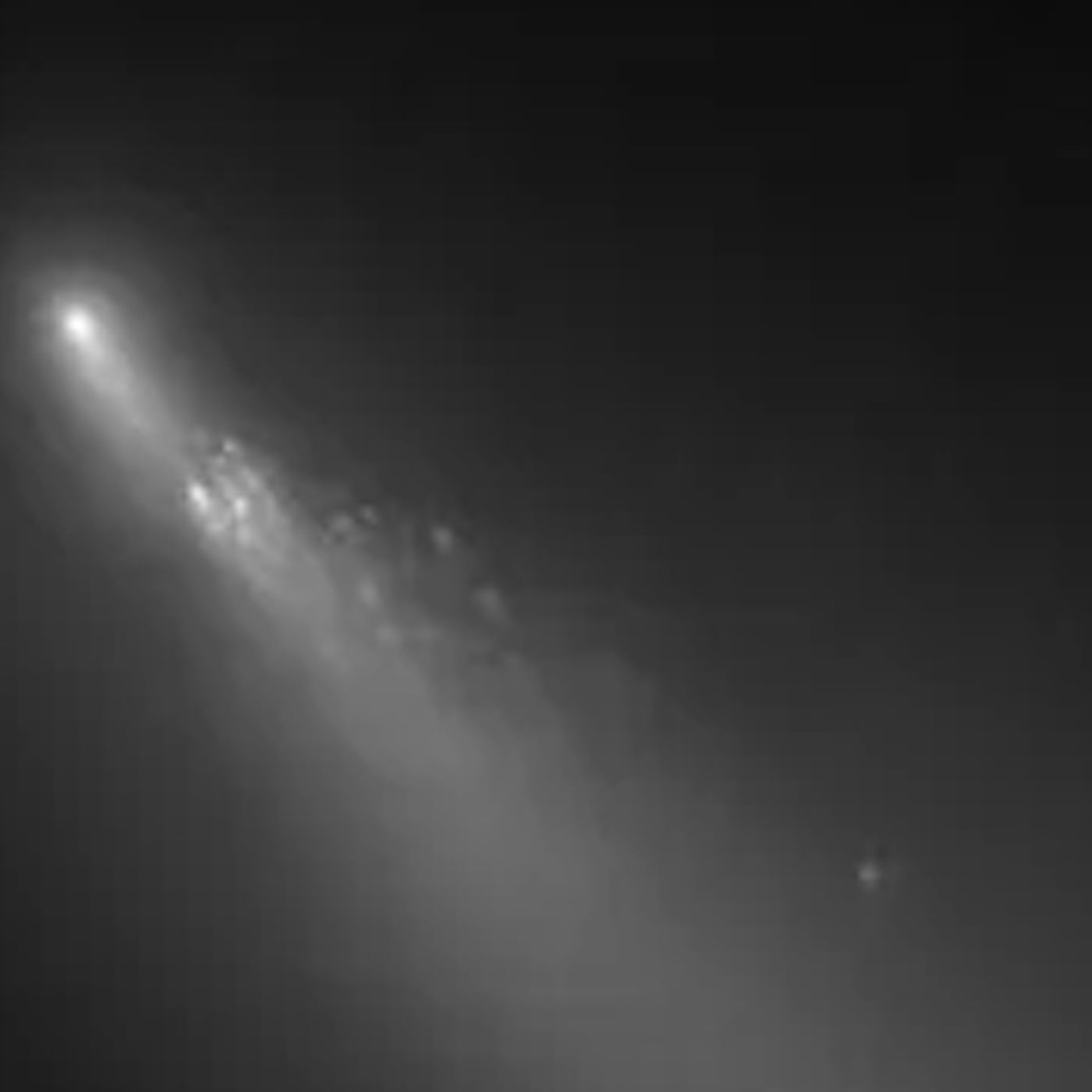
878-Comet Fragment [not-audio_url] [/not-audio_url]

Duration: 2:01
My Catalina Sky Survey teammate Vivian Carvajal was asteroid hunting in the constellation of Eridanus with the 90 inch, University of Arizona’s Bok telescope on Kitt Peak when she was treated to an amazing sight. Comet C…