341E-364-Laser Surfing

341E-364-Laser Surfing

Author: Albert D. Grauer June 17, 2025 Duration: 2:01
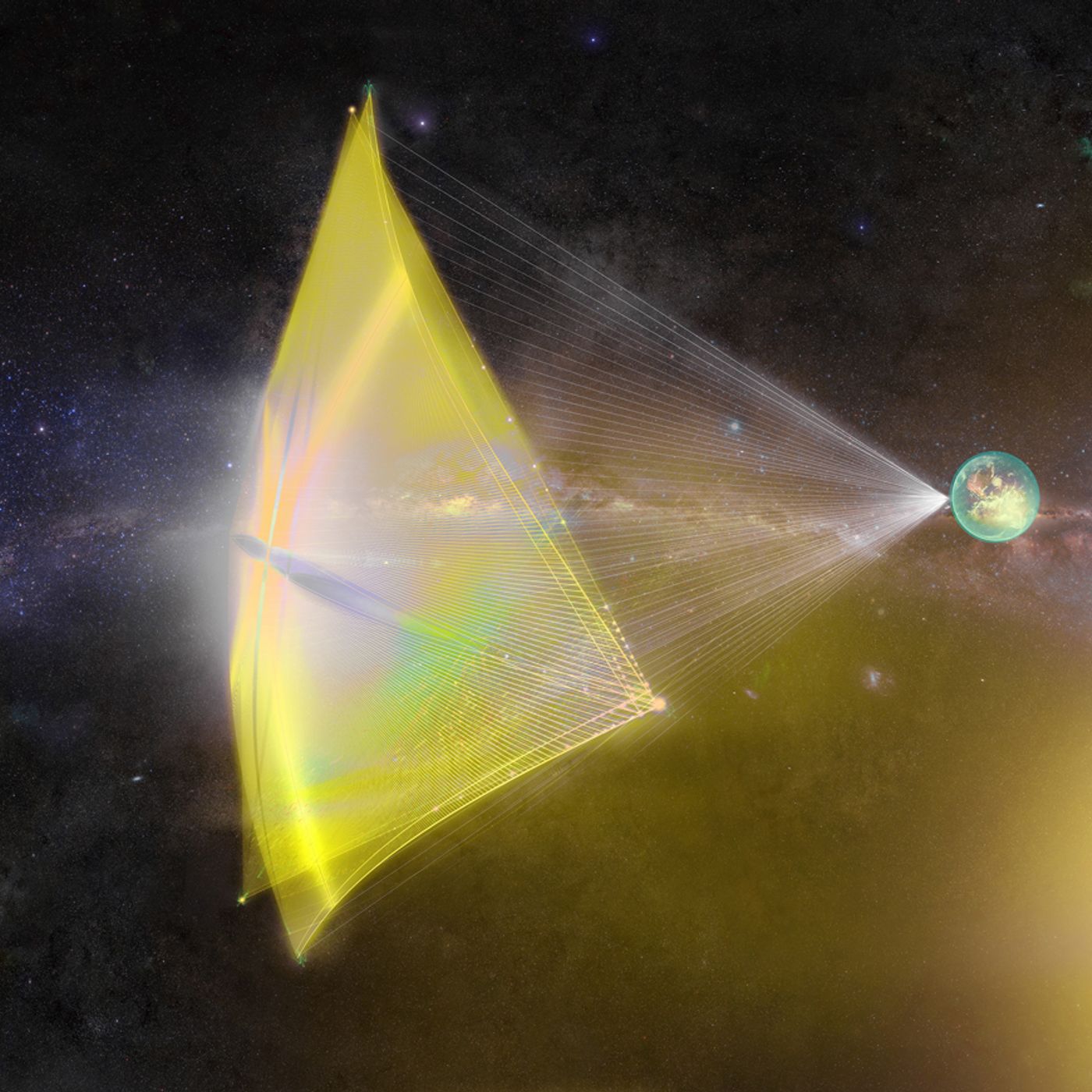
When we find a planet which appears to have the chemical signs of living organisms in its atmosphere, the desire to take a close up look at it will be hard to contain. In a Scientific American article, Lee Billings describes Yuri Milner's 100 million dollar project "Breakthrough Starshot" which has been created to leap frog our current rocket technology's extremely long travel times to nearby planets. The plan is to put ultra light space probes on paths which will enable them to collect data as they streak by nearby potentially habitable planets. Our current iPhone technology is being used to envision a tiny robotic space probe which features cameras, life detecting sensors, maneuvering rockets, computers, and communications gear and yet has a mass of about that of a dime. Photons from 100 gigawatt pulses from a ground based laser array are then envisioned to reflect off the tiny spacecrafts solar sail where they transfer momentum to the space craft accelerating it to 20% of the speed of light. Numbers of these tiny robotic investigators could be launched together into Earth orbit and perhaps one a day could be sent towards a nearby star accelerated by laser pulses each of which contains the energy required to send a space shuttle into orbit. In a few decades closeup views and data from nearby worlds would begin streaming back towards the residents of our planet. The cost of investigating our planetary life hosting neighbors is likely to be less than what the US is planning to spend upgrading its nuclear weapons.

Each episode of Travelers In The Night feels like a quiet, personal conversation under a dark sky. Hosted by astronomer Dr. Albert D. Grauer, this podcast brings the distant cosmos into sharp, intimate focus. Dr. Grauer isn't just an observer; he's an active participant in the hunt, working with the Catalina Sky Survey team that has consistently discovered near-Earth asteroids for years. In these brief and engaging segments, you'll hear firsthand accounts of what it's like to track these ancient celestial travelers-the asteroids and comets that silently pass by our world. The discussions move beyond simple facts to explore the real-world implications of these discoveries, from planetary defense to the sheer wonder of our dynamic solar system. Accompanied by the contemplative music of John Lyell's "Eternity," each installment offers a moment of calm reflection on humanity's place in the universe. It’s a perfect blend of grounded science and cosmic curiosity, making complex astronomical concepts accessible and deeply fascinating. For anyone who has ever looked up and wondered what's out there moving in the dark, this podcast provides a direct line to the front lines of discovery.
Author: Language: English Episodes: 100

Travelers In The Night
Podcast Episodes
365E-397-Spotting Meteors [not-audio_url] [/not-audio_url]

Duration: 2:01
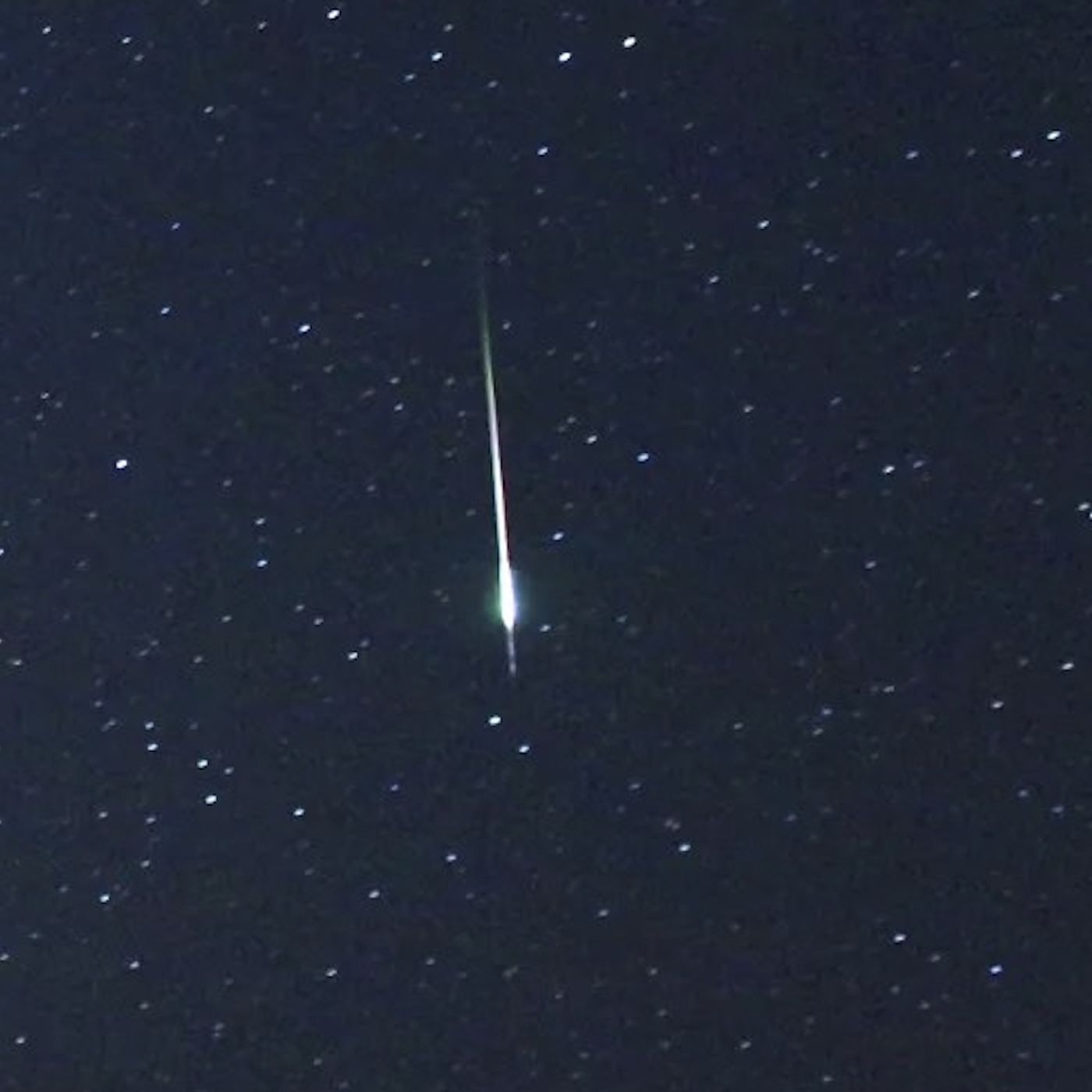
Meteors, shooting stars, or falling stars are different names for the streaks of light in the night sky which are in reality the dying embers of tiny asteroids. These small interplanetary travelers were speeding along at…
877-Close Grazer [not-audio_url] [/not-audio_url]

Duration: 2:01
On a busy night of asteroid hunting with the 90 inch, University of Arizona’s Steward Observatory Bok telescope on Kitt Peak in Arizona, my Catalina Sky Survey teammate Vivian Carvajal discovered 13 new Earth approaching…
364E-396-Jupiter [not-audio_url] [/not-audio_url]

Duration: 2:01
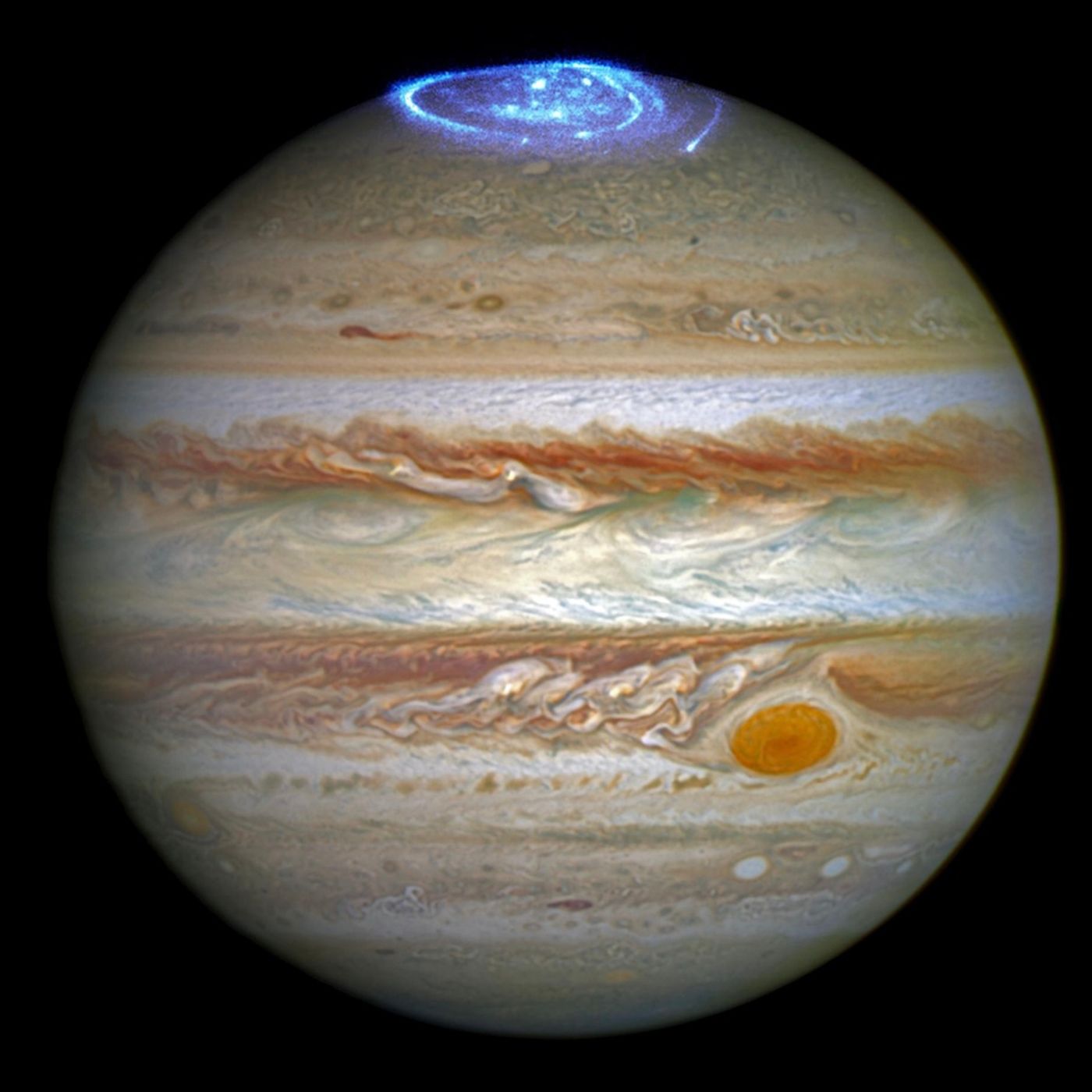
Jupiter has been observed throughout human history and is so bright that you can even spot it under the artificial light dome of one of our cities. Even so it is less than 40 years ago that we were first able to view Jup…
876-Neighborhood Traffic - 9:28:25, 6.28 PM [not-audio_url] [/not-audio_url]

Duration: 2:01
In a recent 60 day period asteroid hunters tracked 24 space rocks which came closer than our Moon. My team the University of Arizona’s Catalina Sky Survey operates 5 telescopes in the mountains around Tucson, Arizona. Ou…
363E-395-House Sized Space Rocks [not-audio_url] [/not-audio_url]

Duration: 2:01
Throughout history small close approaching space rocks have been a part of our environment. Now, thanks to improved telescopes and cameras, asteroid hunters are routinely discovering these small asteroids as they pass cl…
875-Newly Discovered Crater - 9:28:25, 6.13 PM [not-audio_url] [/not-audio_url]

Duration: 2:01
Dr Uisdean Nicholson from Heriot-Watt University and his team of 9 co-authors analyze 3D seismic imaging and drill cuttings from a 1980s oil well to make a convincing case that the Silverpit crater was produced by a the…
362E-394-Tiny Beasts [not-audio_url] [/not-audio_url]

Duration: 2:01
Humans have a long history of partnerships with a variety of micro organisms. Although the proportions vary widely with individuals, recent scientific estimates suggest that a typical human being has approximately the sa…
874-Good night at Bok [not-audio_url] [/not-audio_url]

Duration: 2:01
On a recent clear night my Catalina Sky Survey teammate Hannes Groller was asteroid hunting with the Steward Observatory 90 inch Bok telescope on Kitt Peak, Arizona when he discovered 8 natural visitors to our neighborho…
361E-393-Newest Moon [not-audio_url] [/not-audio_url]

Duration: 2:01
The moon cycle from new moon through full moon and back to new moon again was used by many nations to regulate their activities and forms the basis of the Islamic lunar calendar. A calendar based on the first visibility…
873-Tracking 3I/Atlas [not-audio_url] [/not-audio_url]

Duration: 2:01
Scientists are using many approaches to understanding the nature and history of 3I/Atlas the third known interstellar traveler in the night. At a hyperbolic velocity of 130,000 mph it is the fastest interstellar visitor…