341E-364-Laser Surfing

341E-364-Laser Surfing

Author: Albert D. Grauer June 17, 2025 Duration: 2:01
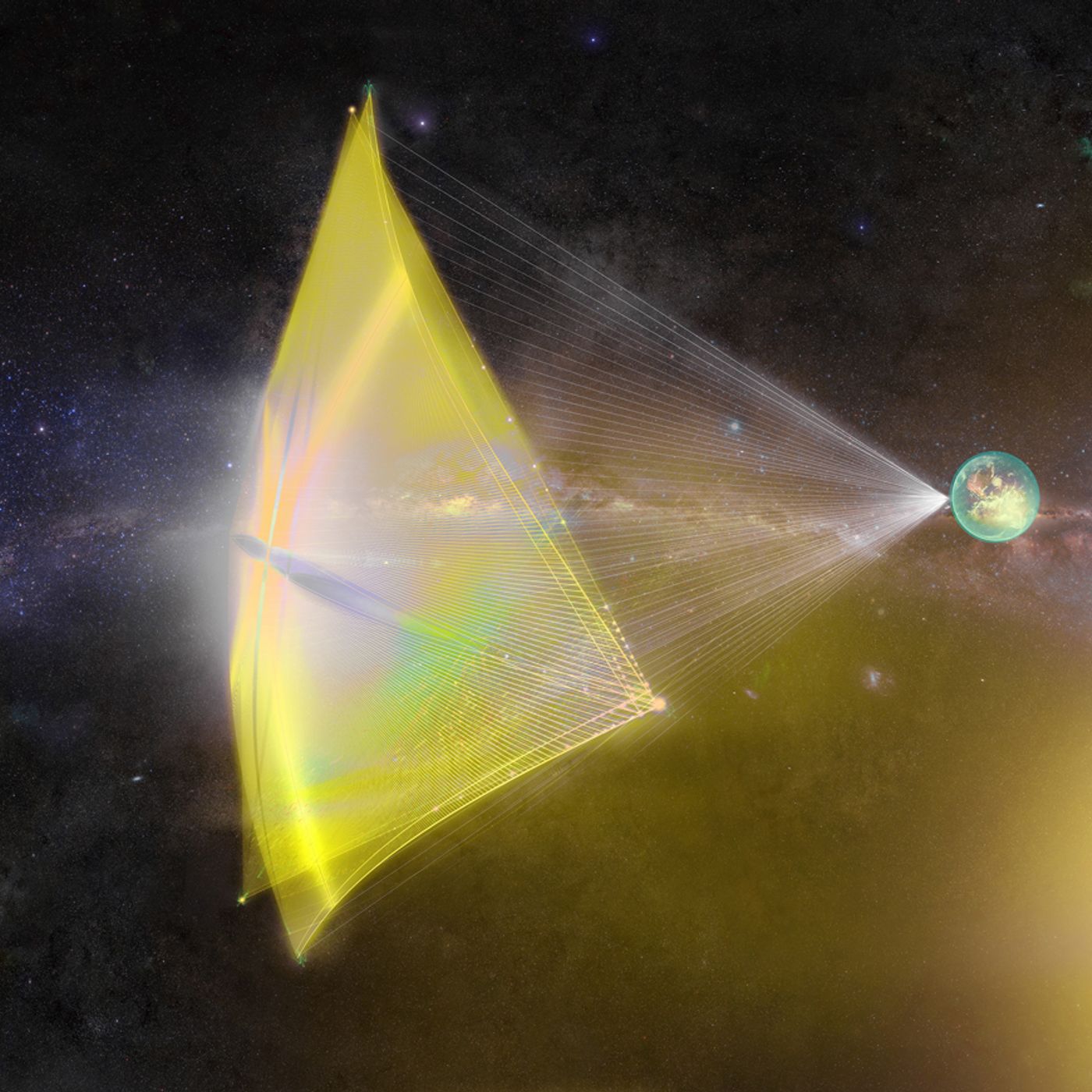
When we find a planet which appears to have the chemical signs of living organisms in its atmosphere, the desire to take a close up look at it will be hard to contain. In a Scientific American article, Lee Billings describes Yuri Milner's 100 million dollar project "Breakthrough Starshot" which has been created to leap frog our current rocket technology's extremely long travel times to nearby planets. The plan is to put ultra light space probes on paths which will enable them to collect data as they streak by nearby potentially habitable planets. Our current iPhone technology is being used to envision a tiny robotic space probe which features cameras, life detecting sensors, maneuvering rockets, computers, and communications gear and yet has a mass of about that of a dime. Photons from 100 gigawatt pulses from a ground based laser array are then envisioned to reflect off the tiny spacecrafts solar sail where they transfer momentum to the space craft accelerating it to 20% of the speed of light. Numbers of these tiny robotic investigators could be launched together into Earth orbit and perhaps one a day could be sent towards a nearby star accelerated by laser pulses each of which contains the energy required to send a space shuttle into orbit. In a few decades closeup views and data from nearby worlds would begin streaming back towards the residents of our planet. The cost of investigating our planetary life hosting neighbors is likely to be less than what the US is planning to spend upgrading its nuclear weapons.

Each episode of Travelers In The Night feels like a quiet, personal conversation under a dark sky. Hosted by astronomer Dr. Albert D. Grauer, this podcast brings the distant cosmos into sharp, intimate focus. Dr. Grauer isn't just an observer; he's an active participant in the hunt, working with the Catalina Sky Survey team that has consistently discovered near-Earth asteroids for years. In these brief and engaging segments, you'll hear firsthand accounts of what it's like to track these ancient celestial travelers-the asteroids and comets that silently pass by our world. The discussions move beyond simple facts to explore the real-world implications of these discoveries, from planetary defense to the sheer wonder of our dynamic solar system. Accompanied by the contemplative music of John Lyell's "Eternity," each installment offers a moment of calm reflection on humanity's place in the universe. It’s a perfect blend of grounded science and cosmic curiosity, making complex astronomical concepts accessible and deeply fascinating. For anyone who has ever looked up and wondered what's out there moving in the dark, this podcast provides a direct line to the front lines of discovery.
Author: Language: English Episodes: 100

Travelers In The Night
Podcast Episodes
350E-374-Brute [not-audio_url] [/not-audio_url]

Duration: 2:01
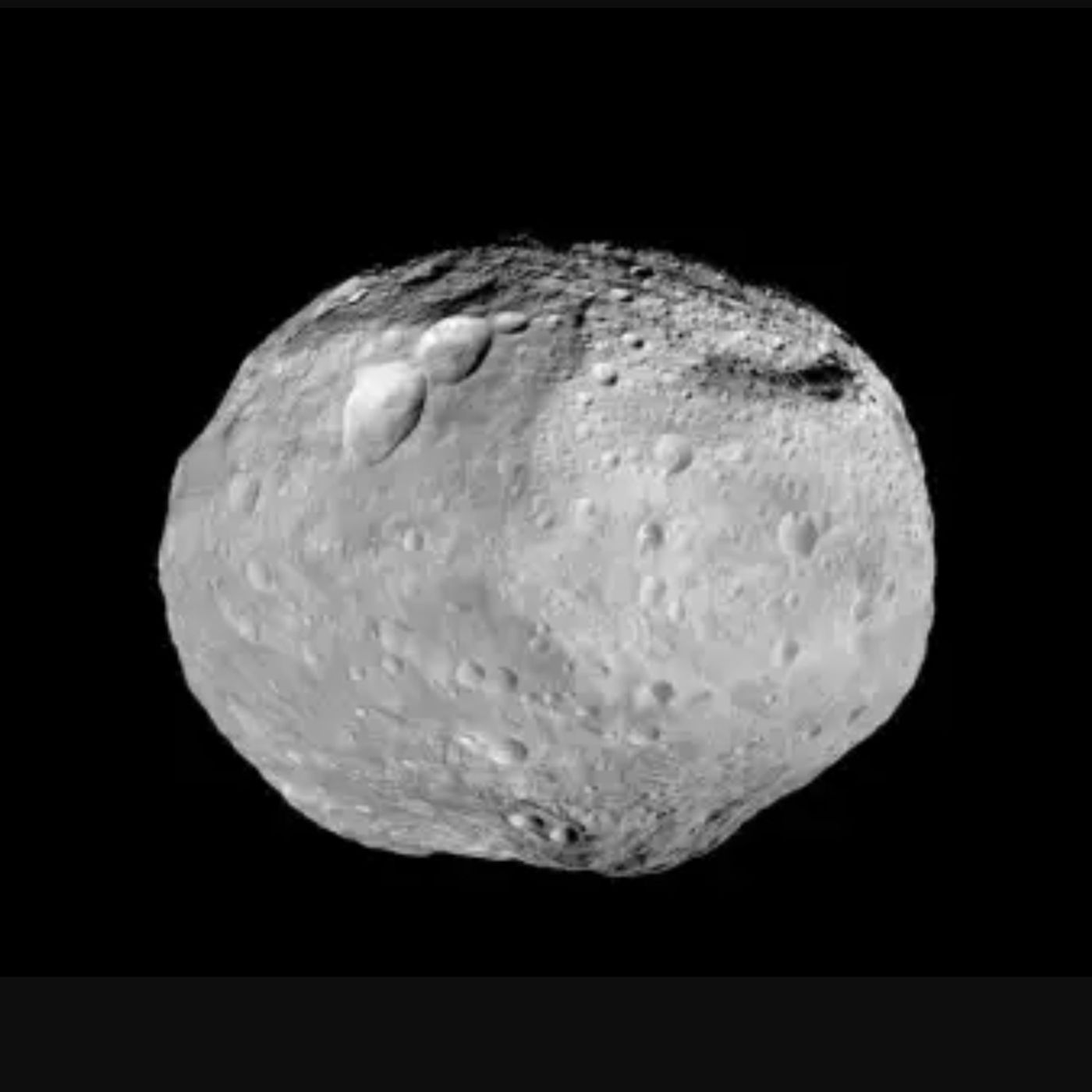
Recently my Catalina Sky Survey teammate Richard Kowalski discovered a 0.4 mile diameter asteroid with the Catalina Sky Survey Schmidt telescope on Mt. Bigelow, AZ. Two hours and 11 minutes later it came into a set image…
862-New Planet 9 Search [not-audio_url] [/not-audio_url]

Duration: 2:01
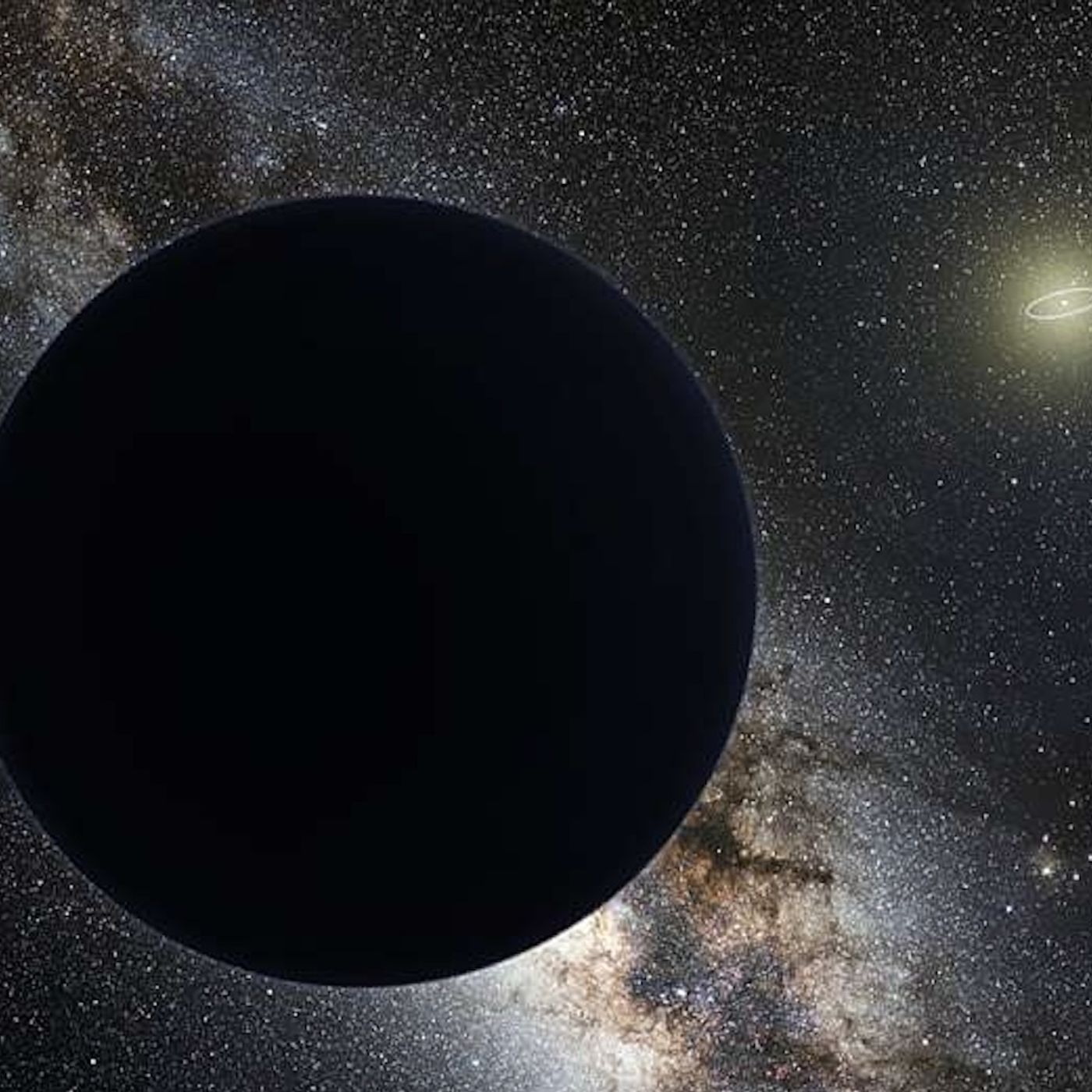
Recently, using data from the Japanese infrared telescope AKARI, Dr. Amos Y.A. Chen and his collaborators published a paper in the Publications of the Astronomical Society of Australia which predicts the approximate posi…
349E-372-Trappist-1 Planets [not-audio_url] [/not-audio_url]

Duration: 2:01
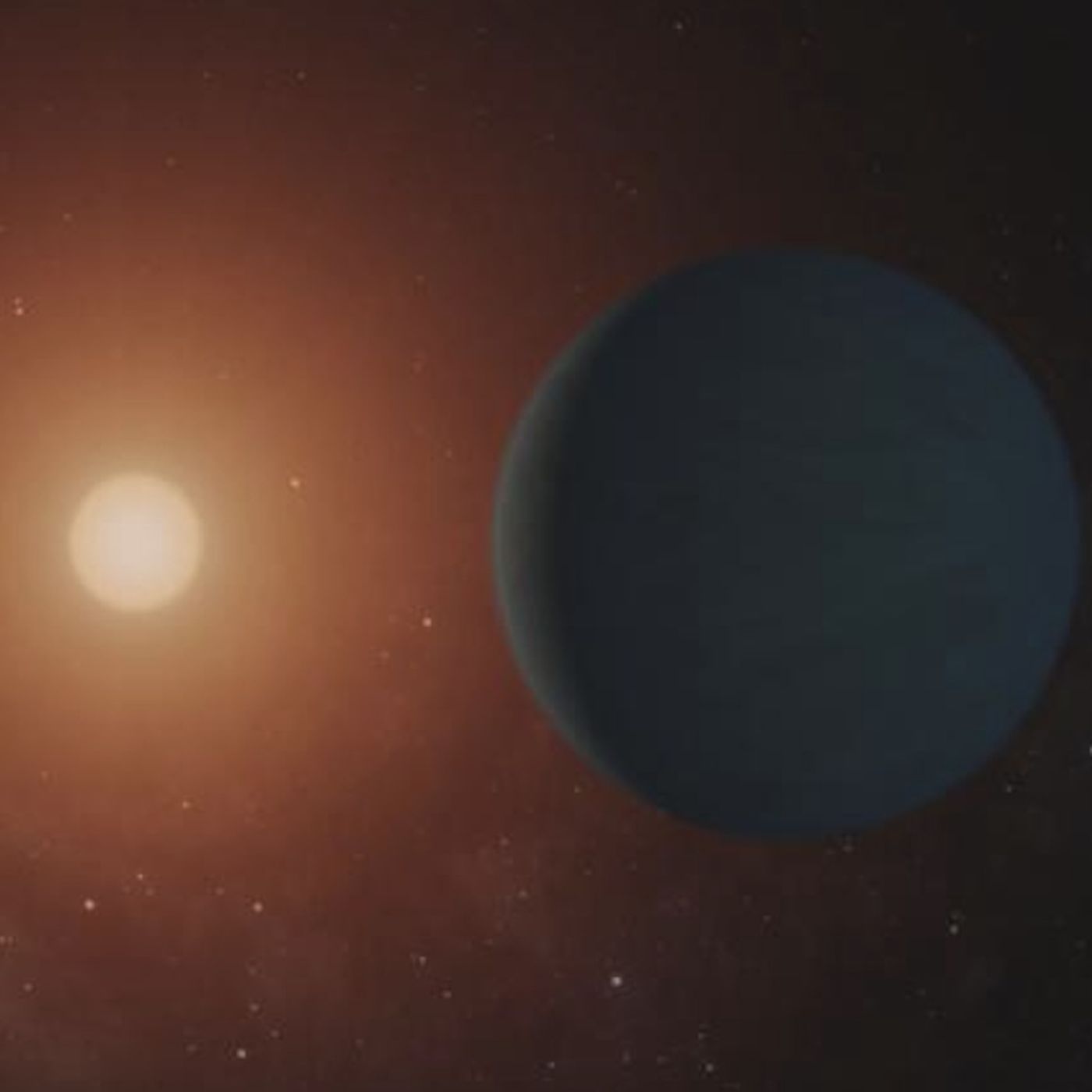
The Trappist-1 planetary system located about 40 light years away in the constellation of Aquarius consists of a small red dwarf star and 7 Earth sized planets. By carefully studying changes in the planet's transit timin…
861-Big Bear Observatory [not-audio_url] [/not-audio_url]

Duration: 2:01
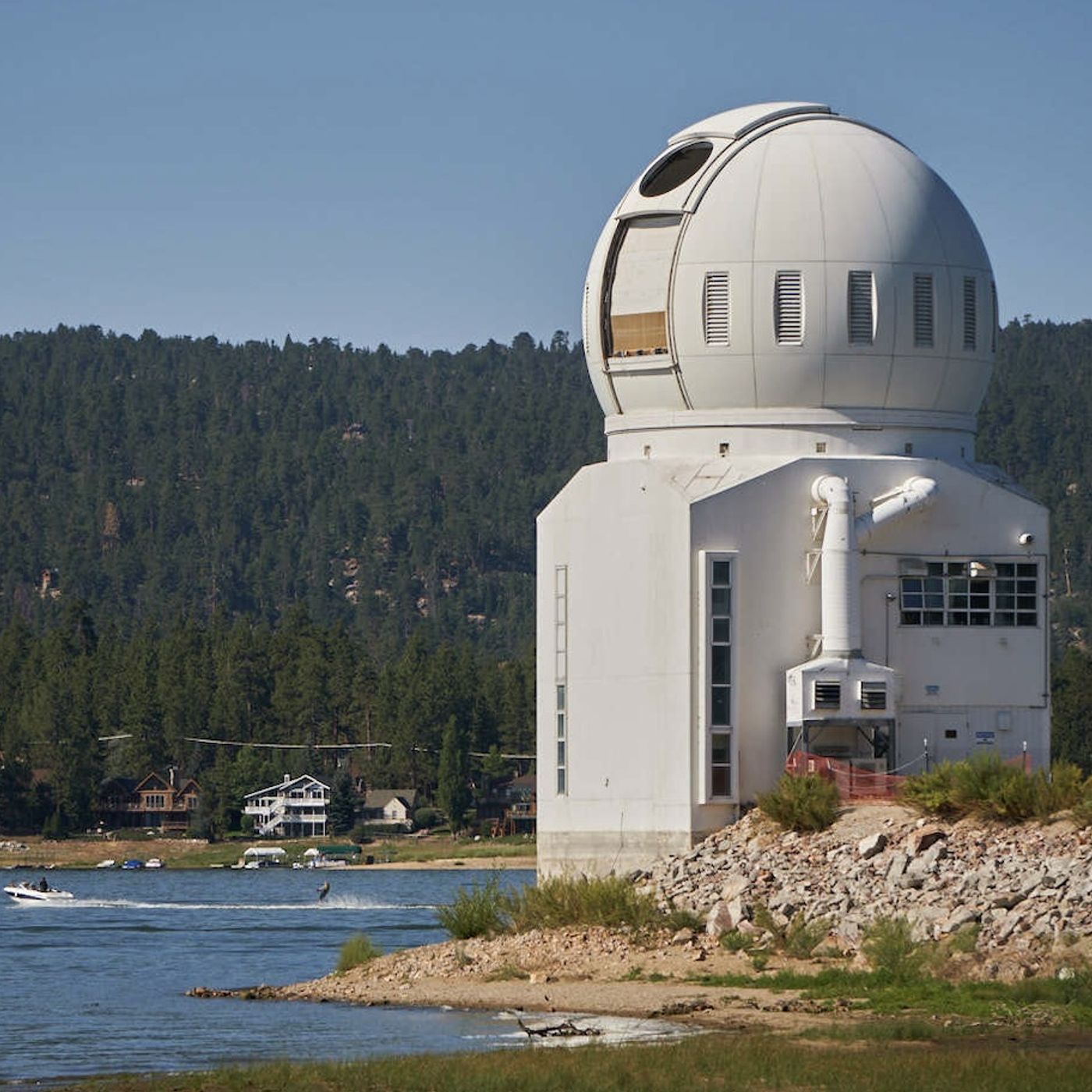
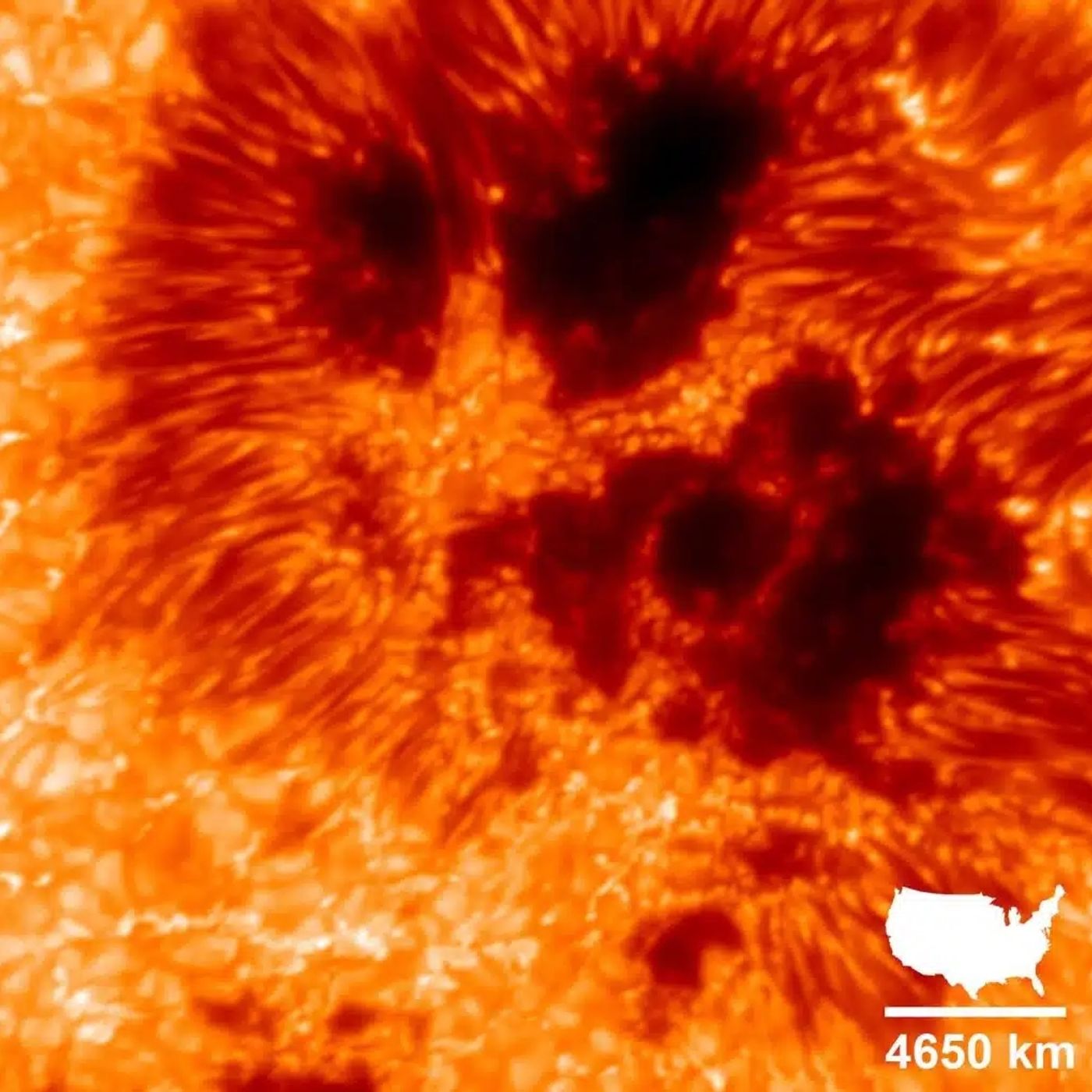
Big Bear Solar Observatory is a unique facility operated by the New Jersey Institute of Technology. Its 1.6 meter Goode Solar Telescope is located on the north side of Big Bear Lake at an elevation of 6,760 feet above se…
348E-371-2 Headed Space Worm [not-audio_url] [/not-audio_url]

Duration: 2:01
Humans are moving towards a day when there are space colonies in orbit, on the Moon, and the planet Mars, places where the force of gravity ranges between zero and 38% of what we experience every day. What effect will su…
860-Worlds Largest Solar Telescope [not-audio_url] [/not-audio_url]

Duration: 2:01
The US National Science Foundation’s Daniel K. Inouye Solar Telescope is the worlds largest solar telescope. It is perched 10,000 feet above sea level on the top of Haleakalā on the Hawaiian island Maui. Its location and…
347E-370-Life's Parts [not-audio_url] [/not-audio_url]

Duration: 2:01
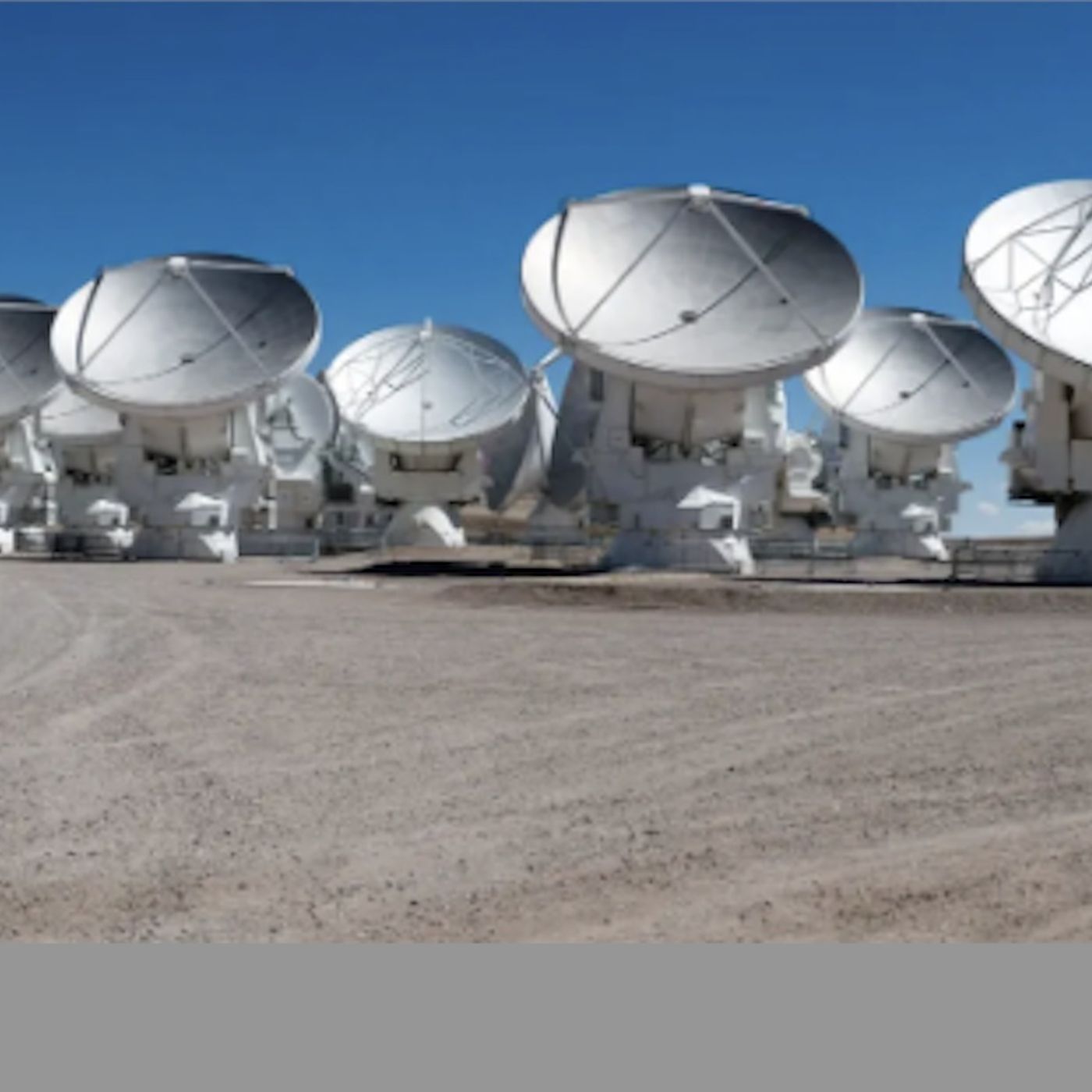
24 hours a day, 16,600 feet above sea level in the high dry desert of northern Chile, the 66 antennas of 1.4 billion dollar Atacama Large Millimeter/submillimeter Array or ALMA receives signals located between the infrar…
859-Powerful Solar Storm [not-audio_url] [/not-audio_url]

Duration: 2:01
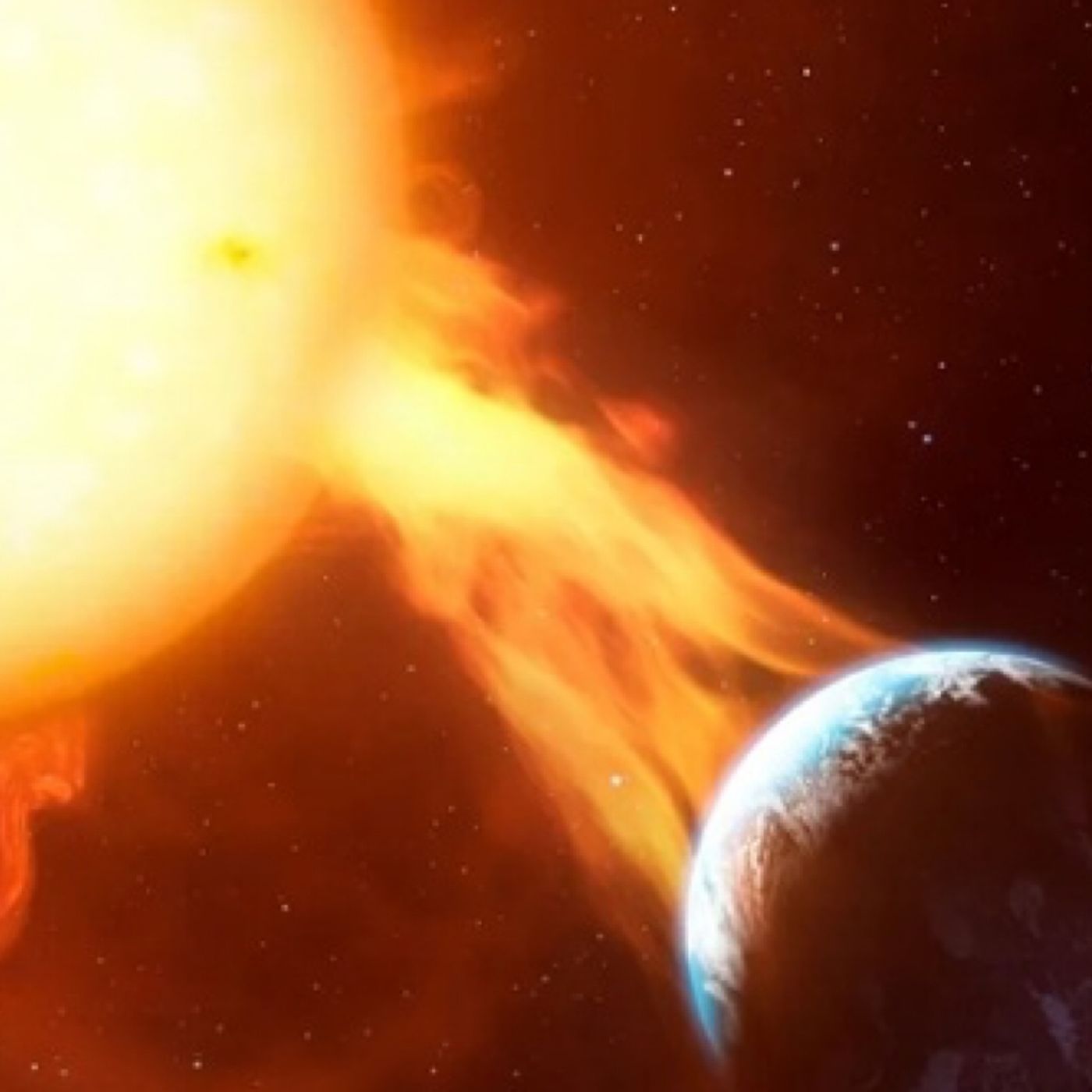
After the Earth the Sun is the most important object for human beings in the Universe. It is the energy source which produces our food and is the source for all of the energy and motion around us except for geothermal an…
346E-369-Finding Treasure [not-audio_url] [/not-audio_url]

Duration: 2:01
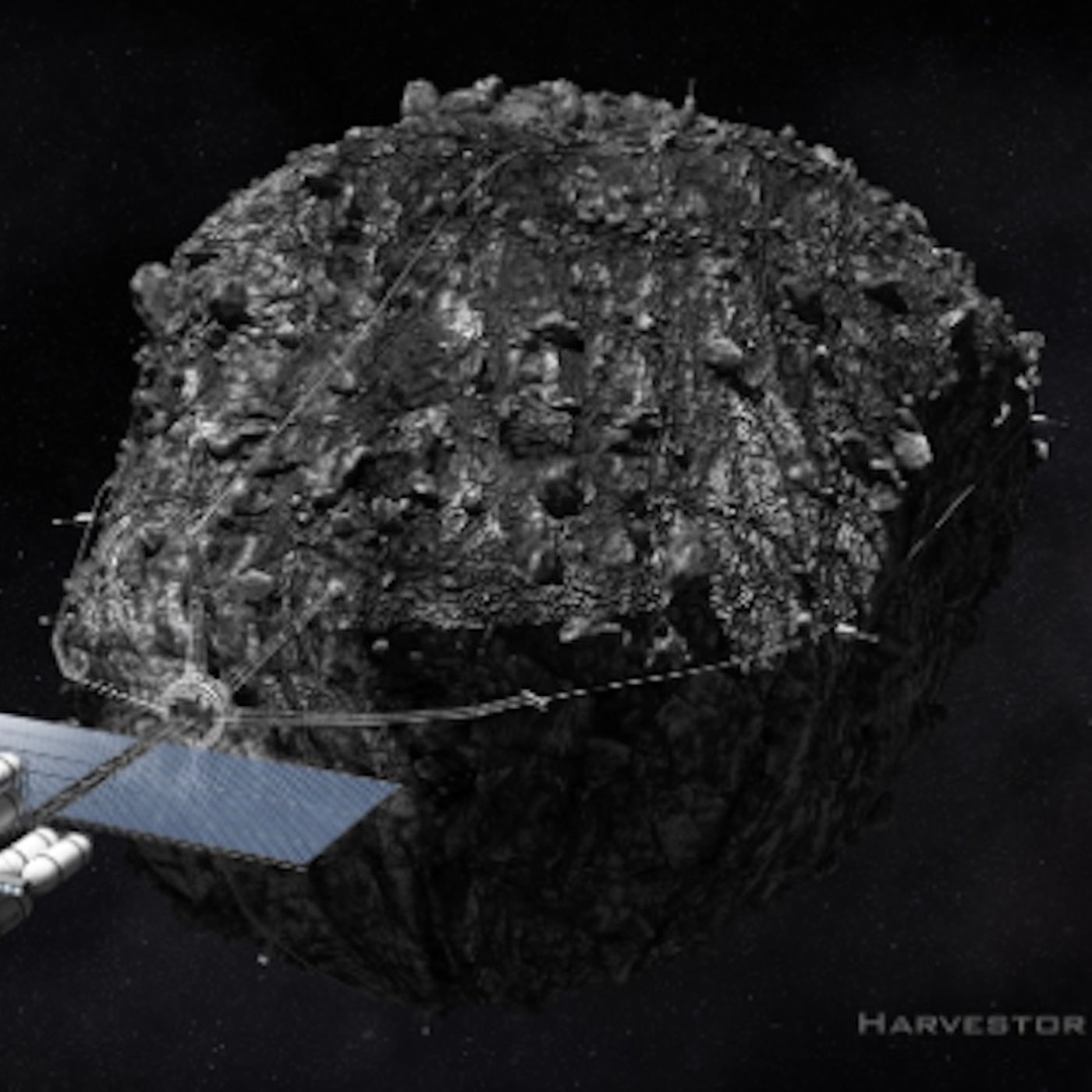
The energy required to lift water, food, and construction materials from the Earth's surface is very expensive. Asteroids come relatively close to Earth and could provide space colonists with metals, carbon, water, and t…
858-Vanishing Dark and Quiet [not-audio_url] [/not-audio_url]

Duration: 2:01
Sadly humans seem to be in the process of creating a cosmic land fill which will blot out much of the cosmos.