Episode 192: Catching, Cooking, and Eating Carp with Matthew Dollenbacher

Episode 192: Catching, Cooking, and Eating Carp with Matthew Dollenbacher

Author: Harvesting Nature June 26, 2024 Duration: 59:26
Summary: In this episode, Justin, Adam, and Matthew discuss the consumption of invasive carp. They mention the environmental impact of Asian carp, including their ability to outcompete native fish species and their jumping behavior. Matthew shares the management strategies employed by the Kentucky Department of Fish and Wildlife, such as commercial fishing and the use of bioacoustic fish fences. Finally, they talk about the taste and cooking methods of carp, with Matthew recommending smoking the fish and using it in dishes like salads and dips. In this conversation, Matthew discusses different methods of preparing and cooking carp, particularly invasive carp species. He shares his experiences with smoking, pickling, and grinding carp, as well as making dishes like miso soup, tacos, and fish patties. Matthew highlights the potential of carp as a sustainable food source and the need to change the perception of carp as a low-quality fish. He mentions resources like the book 'Eat the Enemy' and the Choose Kopi website for carp recipes. The conversation concludes with the idea of organizing a camp focused on bowfishing and cooking invasive species. - Leave a Review of the Podcast - Buy our Wild Fish and Game Spices Guest: Matthew Dollenbacher is a hunter, angler, outdoorsman, and Fisheries Biologist with the Kentucky Fish and Wildlife. He grew up in Eastern Iowa and attended Iowa State University. He traveled around a bit after college but eventually landed in Western Kentucky in 2020, working with Invasive Carp. Links: Kentucky Department of Fish & Wildlife Recipes Eat the Enemy book Choose Copi Crispy Fried Carp Recipe Matthew.dollenbacher@ky.gov Takeaways: There are different types of carp, including common carp and invasive Asian carp such as silver carp, bighead carp, grass carp, and black carp. Asian carp, particularly silver and bighead carp, are filter feeders and can outcompete native fish species for food. The jumping behavior of silver carp can be dangerous for boaters and fishermen. The Kentucky Department of Fish and Wildlife employs various management strategies, including commercial fishing and the use of bioacoustic fish fences, to control the population of invasive carp. Carp meat is white and can be smoked and used in dishes like salads and dips. Asian carp have a mild flavor and can take on the flavors of various seasonings. There are various methods of preparing and cooking carp, including smoking, pickling, and grinding. Carp can be used in a variety of dishes, such as miso soup, tacos, and fish patties. Carp, particularly invasive species, have the potential to be a sustainable food source. Changing the perception of carp as a low-quality fish is important to promote its consumption. Resources like the book 'Eat the Enemy' and the Choose Kopi website provide carp recipes and information. Organizing a camp focused on bowfishing and cooking invasive species could be a fun and educational experience. Chapters: 00:00 Introduction and Background 05:22 Matthew's Work with Carp 10:37 Types of Carp and Their Differences 19:13 Population Growth and Management Strategies 25:31 Catching and Cooking Carp 30:58 Introduction and Discussion of Cooking Methods 33:47 Grinding Carp and Other Methods 36:31 Changing the Perception of Carp 43:50 Carp as a Sustainable Food Source 52:46 Resources and Conclusion Keywords: carp, invasive species, Asian carp, common carp, silver carp, bighead carp, grass carp, black carp, environmental impact, management strategies, taste, cooking methods, carp, invasive species, cooking, smoking, pickling, grinding, miso soup, tacos, fish patties, sustainable food, perception, recipes, bowfishing, camp Learn more about your ad choices. Visit megaphone.fm/adchoices

Justin Townsend and the team from Harvesting Nature host Wild Fish and Game Podcast, a series that treats wild food as a starting point for much wider conversations. Rather than just a collection of tactics or recipes, this podcast digs into the entire cycle of bringing food from the landscape to the table and beyond. You’ll hear discussions that connect the act of hunting or fishing to the rhythms of the season, the specifics of a place, and the cultural traditions that shape our approach to harvest. Episodes move through every stage of the process-the pursuit, the careful work of butchery, the various methods of preservation, and finally, the cooking that turns ingredients into a meal. It’s about the craft involved in each step and how these skills integrate into a practical, meaningful lifestyle. The conversations often explore how these harvested foods are carried through real life, nourishing families and communities. For anyone curious about the depth and connectivity of a life centered on wild foods, this podcast offers a thoughtful, comprehensive look at a system that is as much about philosophy and responsibility as it is about sustenance. Tune in for a consistently engaging exploration of what it truly means to know where your food comes from.
Author: Language: English Episodes: 100

Wild Fish and Game Podcast
Podcast Episodes
On the Ethics of Killing: The Moral Math of Eating [not-audio_url] [/not-audio_url]

Duration: 58:02
Summary: Explore the ethical considerations of eating and killing in the context of hunting, food production, and environmental impact. Blake Binford shares insights from his book 'On the Ethics of Killing: The Moral Mat…
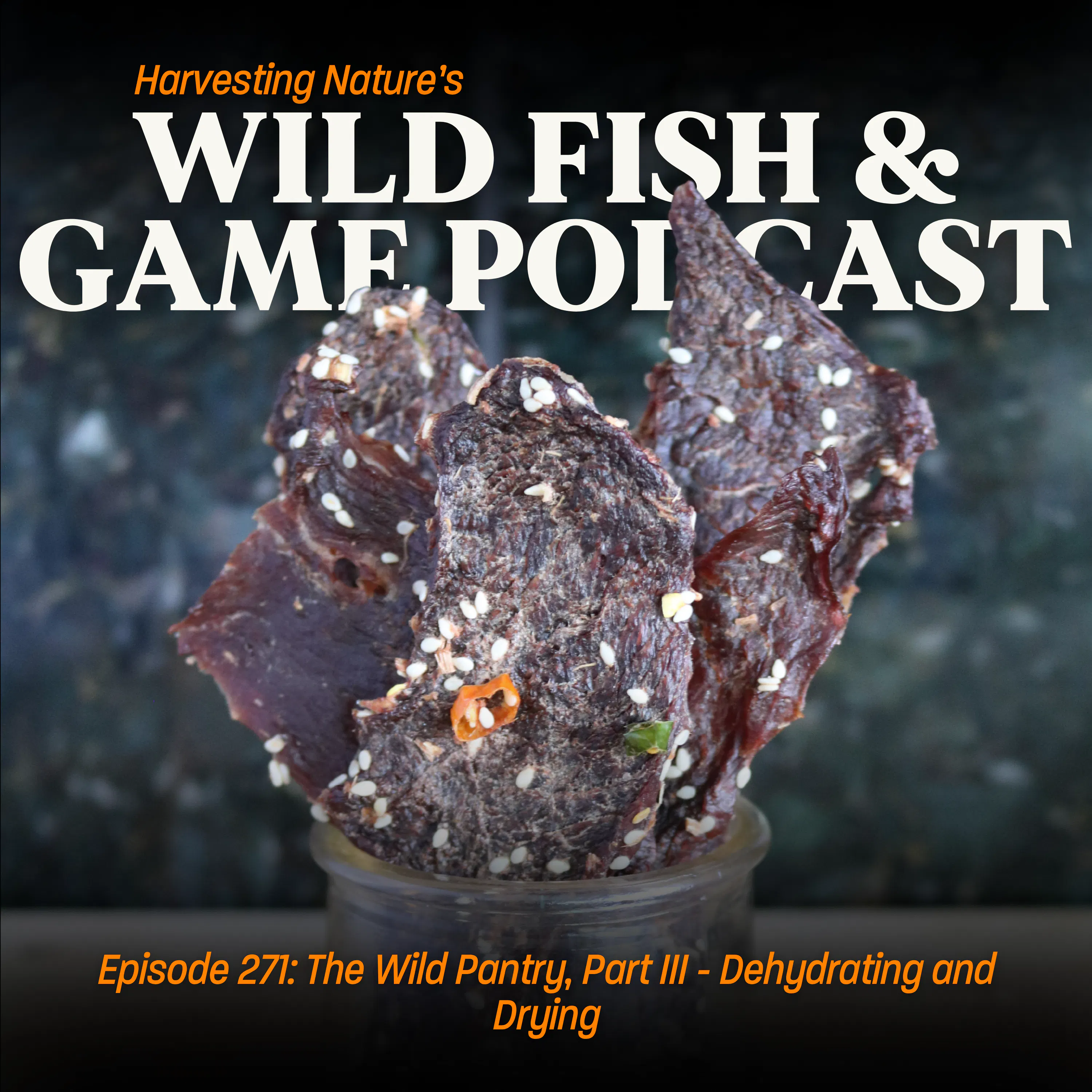
Episode 271: The Wild Pantry, Part III - Dehydrating and Drying [not-audio_url] [/not-audio_url]

Duration: 47:52
Summary: Explore the ancient and modern techniques of drying and dehydrating food, its scientific principles, and practical applications in wild food lifestyle. Learn how to preserve, enhance, and utilize wild ingredient…
Episode 270: The Wild Harvest Report - April 2026 [not-audio_url] [/not-audio_url]

Duration: 12:09
Summary: A comprehensive overview of April's seasonal activities across North America, focusing on hunting, fishing, foraging, and cooking wild foods. The report highlights regional differences, key species in season, an…
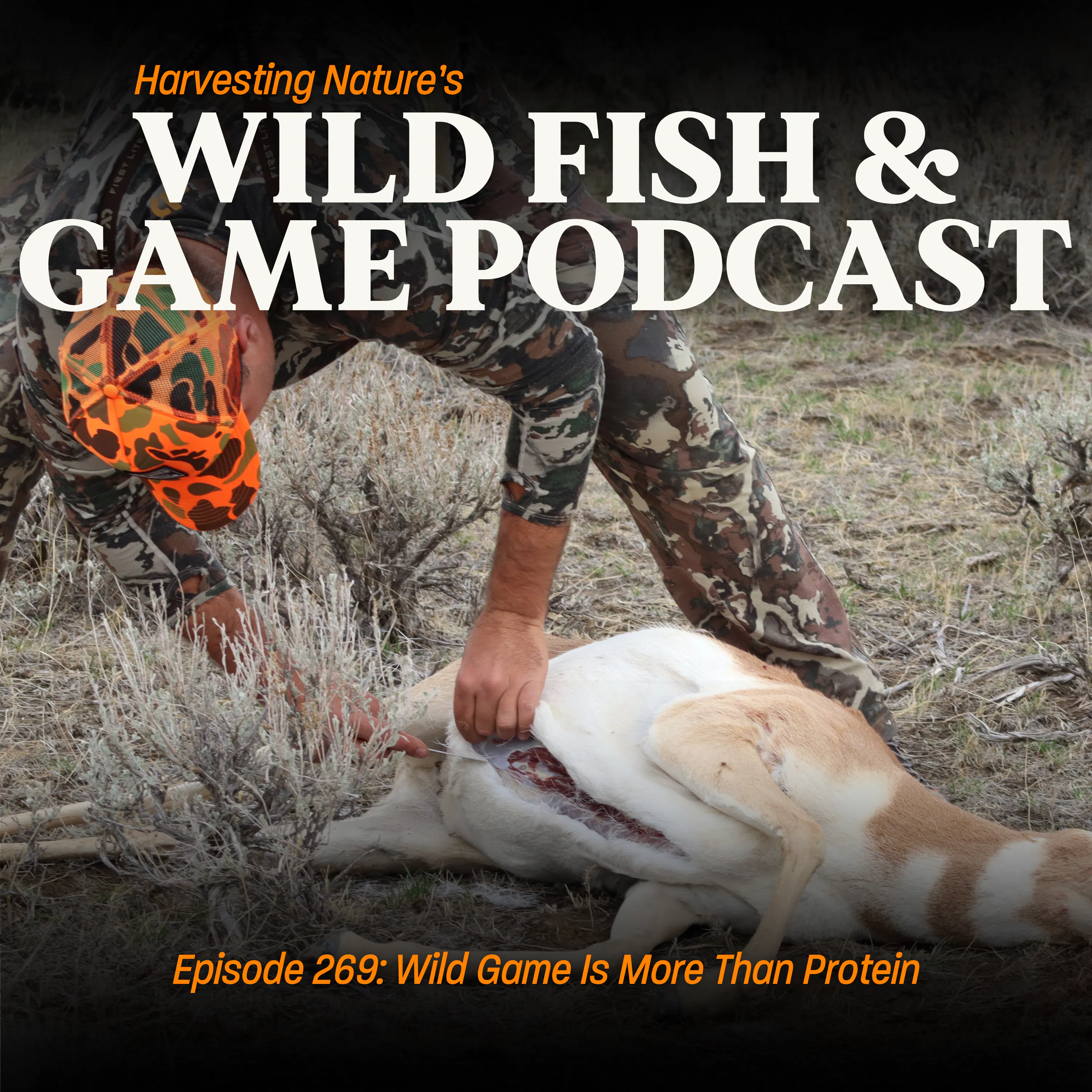
Episode 269: Wild Game Is More Than Protein [not-audio_url] [/not-audio_url]

Duration: 33:59
Summary: This episode explores the full value of wild animals beyond just protein, emphasizing traditional and cultural uses of all animal parts, including fat, marrow, organs, and connective tissues. It highlights how m…
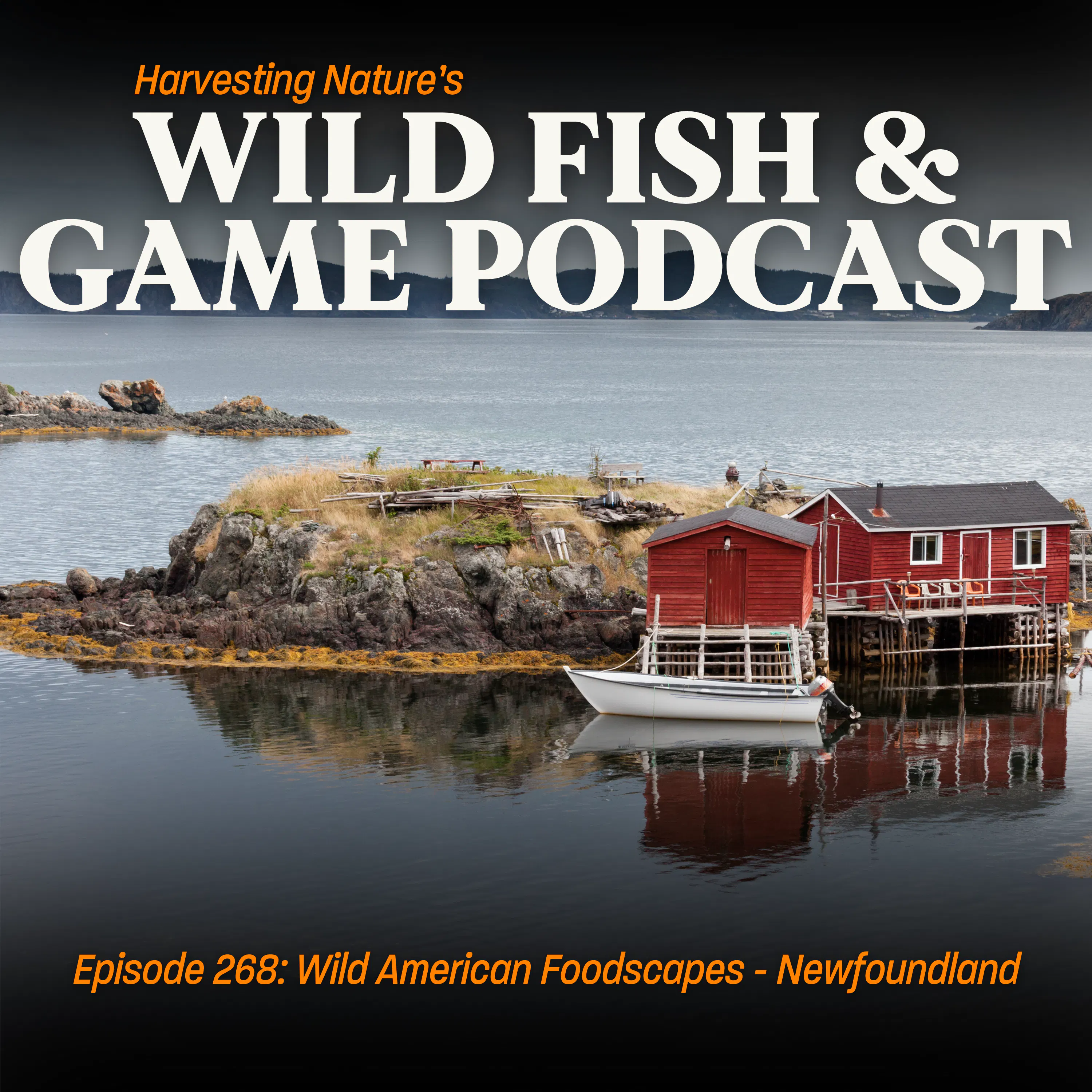
Episode 268: Wild American Foodscapes - Newfoundland [not-audio_url] [/not-audio_url]

Duration: 30:02
Summary: Justin and Adam explore Newfoundland's unique food landscape shaped by environmental constraints, historical fishing practices, and cultural resilience. From wild fish and seal to the impact of ecological manage…
Episode 267: What If the Grocery Stores Didn’t Open Tomorrow? [not-audio_url] [/not-audio_url]

Duration: 39:28
Summary: Explore the fragility of our food systems and the importance of community resilience. This episode examines historical and modern disruptions to food supply, the interconnectedness of grocery stores, and how hun…
Episode 266: The Wild Harvest Report - March 2026 [not-audio_url] [/not-audio_url]

Duration: 11:04
Summary: The March Food for Field Bulletin discusses the seasonal shifts in hunting, fishing, and foraging across North America, highlighting the transition from winter to spring. It covers regional variations in wildlif…
Episode 265: The Wild Pantry, Part II - Salting and Curing [not-audio_url] [/not-audio_url]

Duration: 42:59
Summary In this episode, Justin Townsend and Adam Berkelmans explore the ancient art of food preservation through salting and curing. They discuss the historical significance of salting, the science behind how it works,…
Episode 264: Wild American Foodscapes - Hawai'i [not-audio_url] [/not-audio_url]

Duration: 34:12
Summary Justin and Adam are joined by several guests for a conversation exploring the intricate relationship between food and culture in Hawaii, emphasizing the historical significance of traditional practices, the impac…