Episode 195: Create World-Class Tasting Fish with Ike Jime

Episode 195: Create World-Class Tasting Fish with Ike Jime

Author: Harvesting Nature July 24, 2024 Duration: 1:11:31
Summary: Justin chats with Andrew Tsui of the Ike Jime Federation and explores the practice of Ike Jime, a method of dispatching fish that prioritizes food quality. Andrew explains the four steps of Ike Jime: brain spiking, bleeding, paralyzing the fish, and rapid chilling. He emphasizes the importance of minimizing stress and delaying rigor mortis to ensure high-quality fish. Tsui also discusses the lack of regulations and standards for seafood quality in the United States and the potential for the fishing industry to adopt Ike Jime practices. The conversation then highlights the similarities between handling fish and meat and the need to treat them equally. He emphasizes the need to take care and be intentional throughout the entire process, from the moment of harvest to the culinary experience. The discussion also highlights the unique opportunities that fishing provides, such as the ability to experience and share rare and high-quality fish that cannot be replicated commercially. It encourages anglers and hunters to appreciate their skills and the value of providing their families with nutritious, sustainable, and delicious food. - Leave a Review of the Podcast - Buy our Wild Fish and Game Spices Guest: Andrew Tsui is the Founder and President of the Ike Jime Federation, a company committed to training, standardizing, and empowering the next generation of American fish and seafood to world-class levels of quality. He has been profiled in international and national publications as a global expert on fish and seafood quality, cuisine, and harvesting techniques, and he brings his interdisciplinary approach to training university researchers, various companies in the seafood supply chain, Michelin-starred chefs, and sports anglers alike. Ike Jime Federation Wild Fish Blend Spices Ike Jime Federation Instagram Takeaways: Ike Jime is a method of dispatching fish that prioritizes food quality by minimizing stress and delaying rigor mortis. The four steps of Ike Jime are brain spiking, bleeding, paralyzing the fish, and rapid chilling. The lack of regulations and standards for seafood quality in the United States hinders the development of a world-class seafood industry. Handling fish and meat should be treated equally to ensure high-quality products. Take care and be intentional throughout the entire process of harvesting and preparing food. Fishing provides unique opportunities to experience and share rare, high-quality fish that cannot be replicated commercially. Appreciate the skills of anglers and hunters in providing nutritious, sustainable, and delicious food. Understand the importance of seasonality and the impact of what fish eat on their flavor and quality. Chapters: 00:00 Introduction and Overview 06:22 Understanding Ike Jime and Its Philosophy 12:07 The Four Steps of Ike Jime 16:28 Challenges in Seafood Quality Regulations 19:02 Alternative Fish Handling Methods 26:10 The Significance of Rigor Mortis and Aging 31:46 Applying Meat Handling Principles to Fish 37:35 The Importance of Taking Care in the Harvesting and Culinary Process 40:19 The Unique Opportunities of Fishing for High-Quality Fish 52:47 Understanding the Impact of Seasonality on Flavor and Quality 01:03:18 Appreciating the Skills of Anglers and Hunters 01:06:10 The Value of Providing Nutritious and Sustainable Food Keywords: Ike Jime, fish dispatching, food quality, stress reduction, rigor mortis, seafood industry, regulations, meat handling, harvesting food, wild game, seafood, quality, culinary experience, fishing, unique opportunities, anglers, hunters, nutritious, sustainable Learn more about your ad choices. Visit megaphone.fm/adchoices

Justin Townsend and the team from Harvesting Nature host Wild Fish and Game Podcast, a series that treats wild food as a starting point for much wider conversations. Rather than just a collection of tactics or recipes, this podcast digs into the entire cycle of bringing food from the landscape to the table and beyond. You’ll hear discussions that connect the act of hunting or fishing to the rhythms of the season, the specifics of a place, and the cultural traditions that shape our approach to harvest. Episodes move through every stage of the process-the pursuit, the careful work of butchery, the various methods of preservation, and finally, the cooking that turns ingredients into a meal. It’s about the craft involved in each step and how these skills integrate into a practical, meaningful lifestyle. The conversations often explore how these harvested foods are carried through real life, nourishing families and communities. For anyone curious about the depth and connectivity of a life centered on wild foods, this podcast offers a thoughtful, comprehensive look at a system that is as much about philosophy and responsibility as it is about sustenance. Tune in for a consistently engaging exploration of what it truly means to know where your food comes from.
Author: Language: English Episodes: 270

Wild Fish and Game Podcast
Podcast Episodes
Episode 270: The Wild Harvest Report - April 2026 [not-audio_url] [/not-audio_url]

Duration: 12:09
Summary: A comprehensive overview of April's seasonal activities across North America, focusing on hunting, fishing, foraging, and cooking wild foods. The report highlights regional differences, key species in season, an…
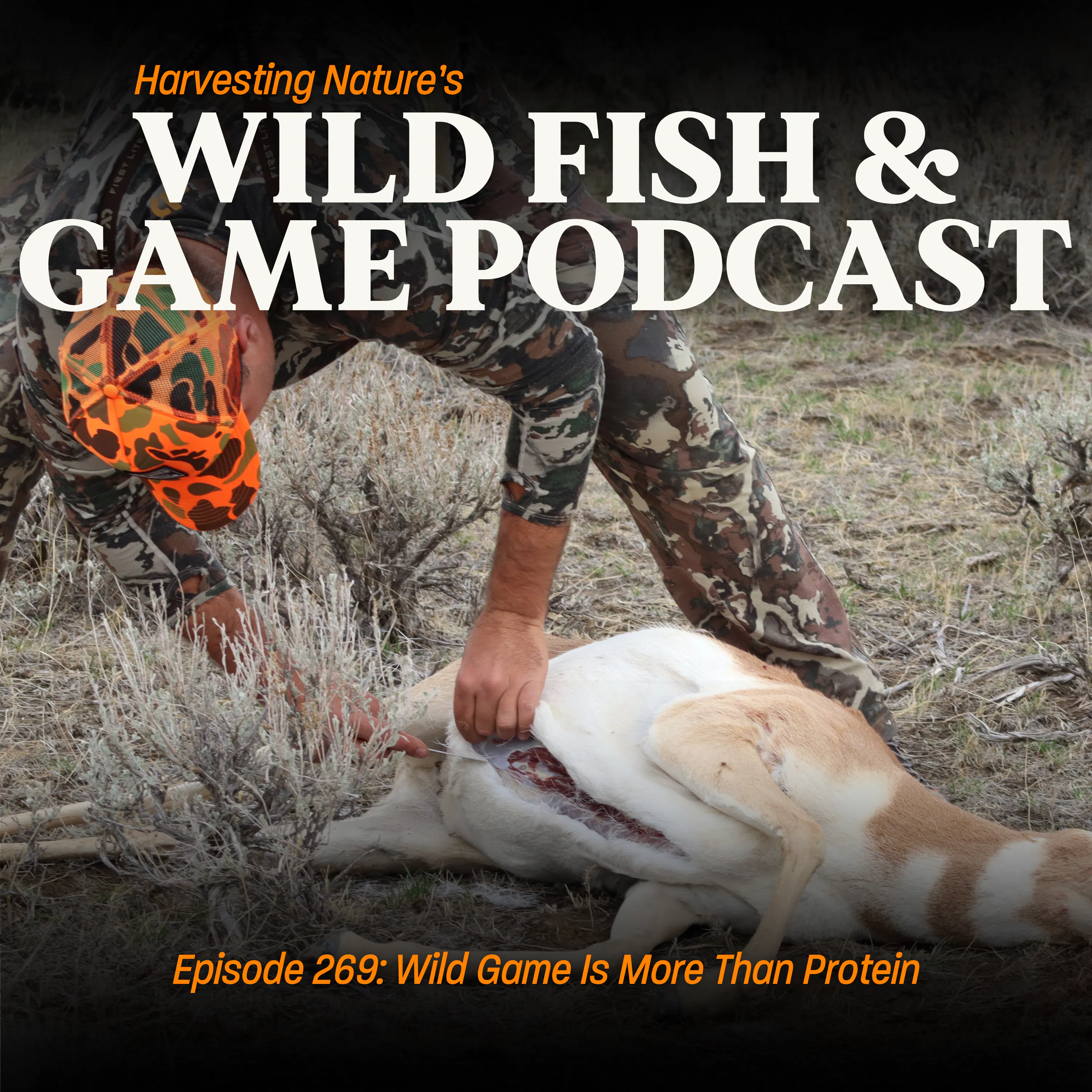
Episode 269: Wild Game Is More Than Protein [not-audio_url] [/not-audio_url]

Duration: 33:59
Summary: This episode explores the full value of wild animals beyond just protein, emphasizing traditional and cultural uses of all animal parts, including fat, marrow, organs, and connective tissues. It highlights how m…
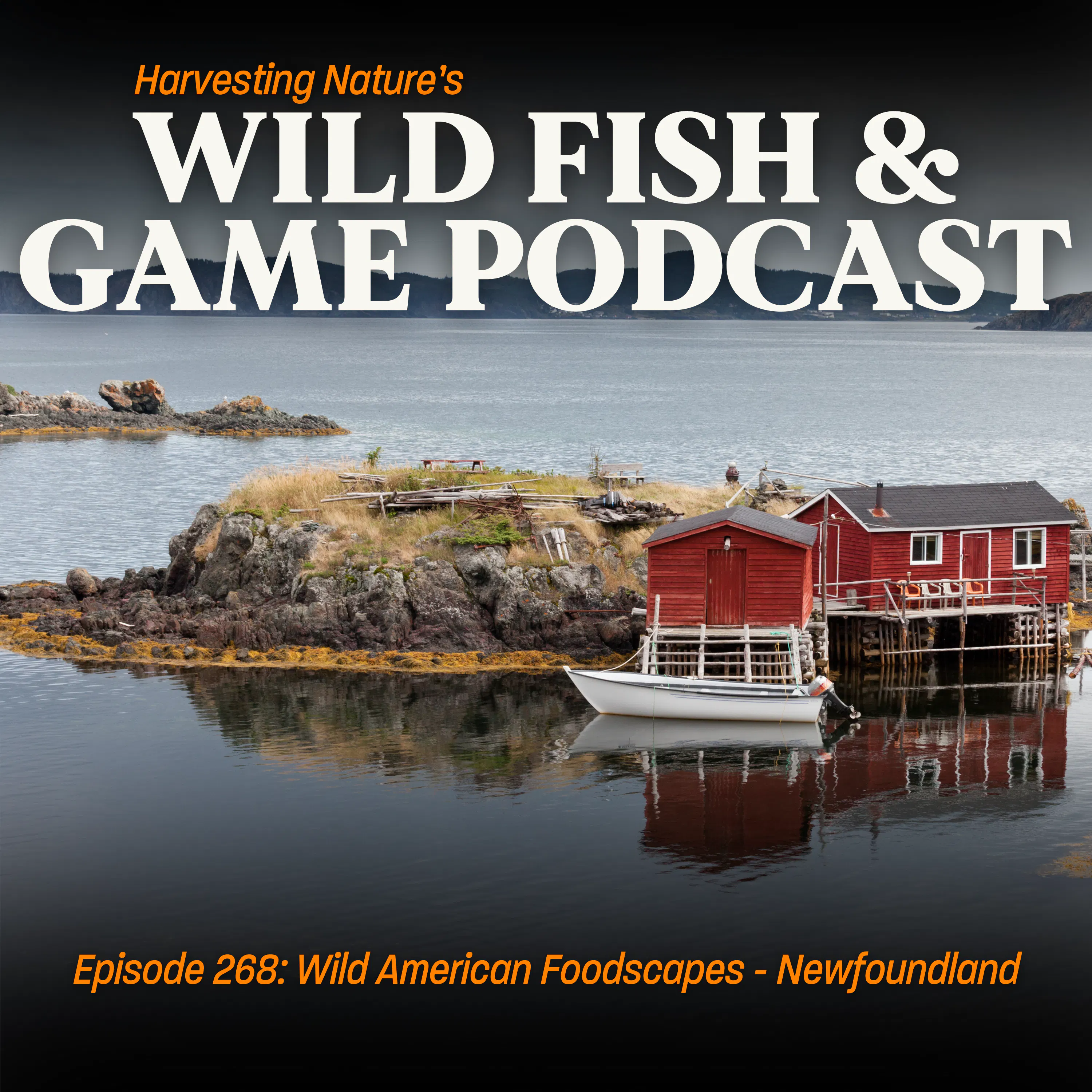
Episode 268: Wild American Foodscapes - Newfoundland [not-audio_url] [/not-audio_url]

Duration: 30:02
Summary: Justin and Adam explore Newfoundland's unique food landscape shaped by environmental constraints, historical fishing practices, and cultural resilience. From wild fish and seal to the impact of ecological manage…
Episode 267: What If the Grocery Stores Didn’t Open Tomorrow? [not-audio_url] [/not-audio_url]

Duration: 39:28
Summary: Explore the fragility of our food systems and the importance of community resilience. This episode examines historical and modern disruptions to food supply, the interconnectedness of grocery stores, and how hun…
Episode 266: The Wild Harvest Report - March 2026 [not-audio_url] [/not-audio_url]

Duration: 11:04
Summary: The March Food for Field Bulletin discusses the seasonal shifts in hunting, fishing, and foraging across North America, highlighting the transition from winter to spring. It covers regional variations in wildlif…
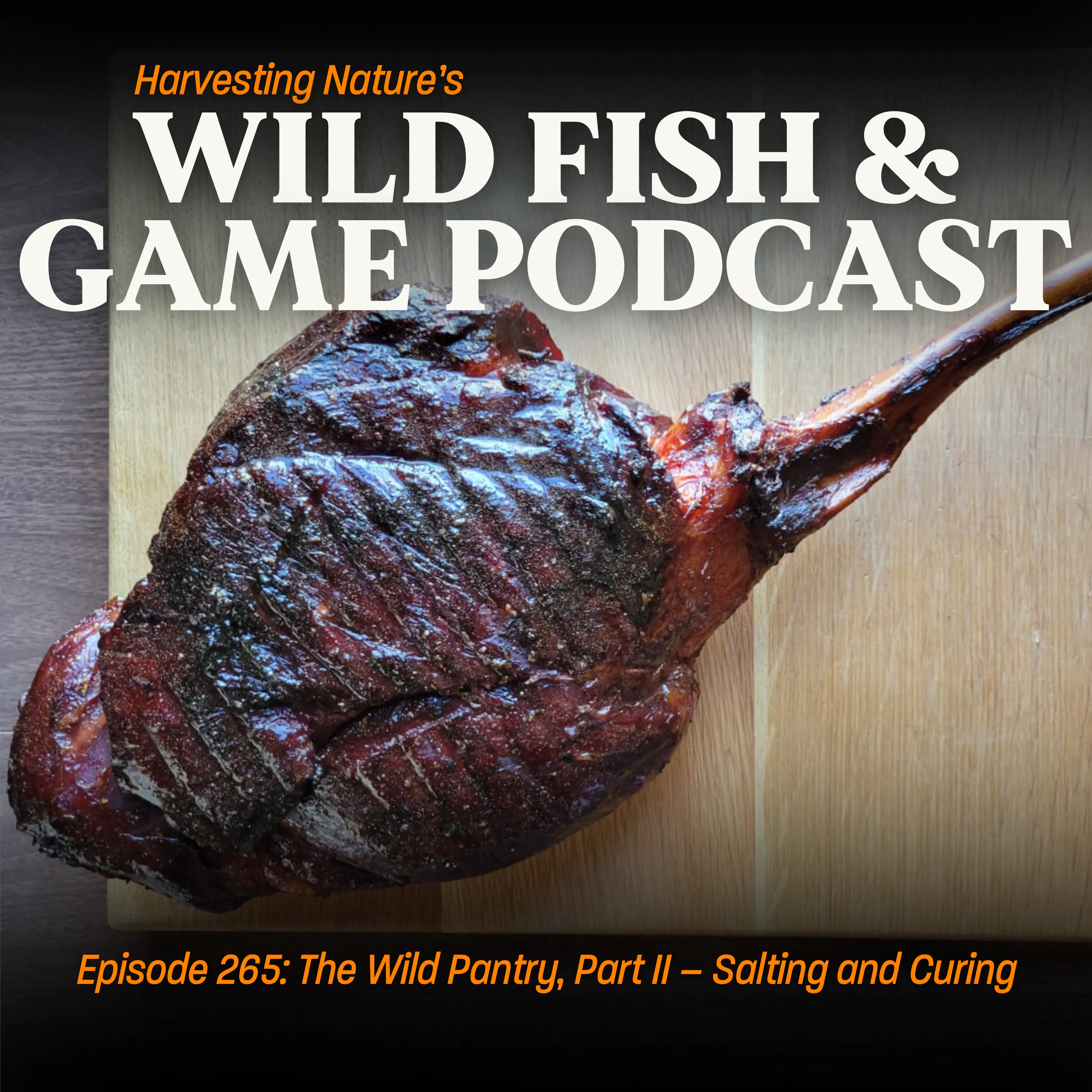
Episode 265: The Wild Pantry, Part II - Salting and Curing [not-audio_url] [/not-audio_url]

Duration: 42:59
Summary In this episode, Justin Townsend and Adam Berkelmans explore the ancient art of food preservation through salting and curing. They discuss the historical significance of salting, the science behind how it works,…
Episode 264: Wild American Foodscapes - Hawai'i [not-audio_url] [/not-audio_url]

Duration: 34:12
Summary Justin and Adam are joined by several guests for a conversation exploring the intricate relationship between food and culture in Hawaii, emphasizing the historical significance of traditional practices, the impac…
Episode 262: The Harvest Report - February 2026 [not-audio_url] [/not-audio_url]

Duration: 19:03
Summary The Wild Harvest Report for February 2026 provides a comprehensive overview of seasonal opportunities for hunting, fishing, and foraging across North America. The report explores regions from the Southeast to the…
Episode 261: The Wild Pantry, Part I - Freezing as Preservation [not-audio_url] [/not-audio_url]

Duration: 29:09
Summary In this episode, Justin Townsend and Adam Berkelmans explore the significance of freezing as a method of food preservation. They discuss the historical context of freezing, the science behind how freezing affects…