Scientific proof of terroir 1-31-2024

Scientific proof of terroir 1-31-2024

Author: Gus Clemens January 30, 2024 Duration: 4:43

This is the weekly column

Terroir is that baffling French term you often encounter with wine. There is another French term that sums up the meaning of terroir—je ne sais quoi [something that cannot be fully described or expressed].

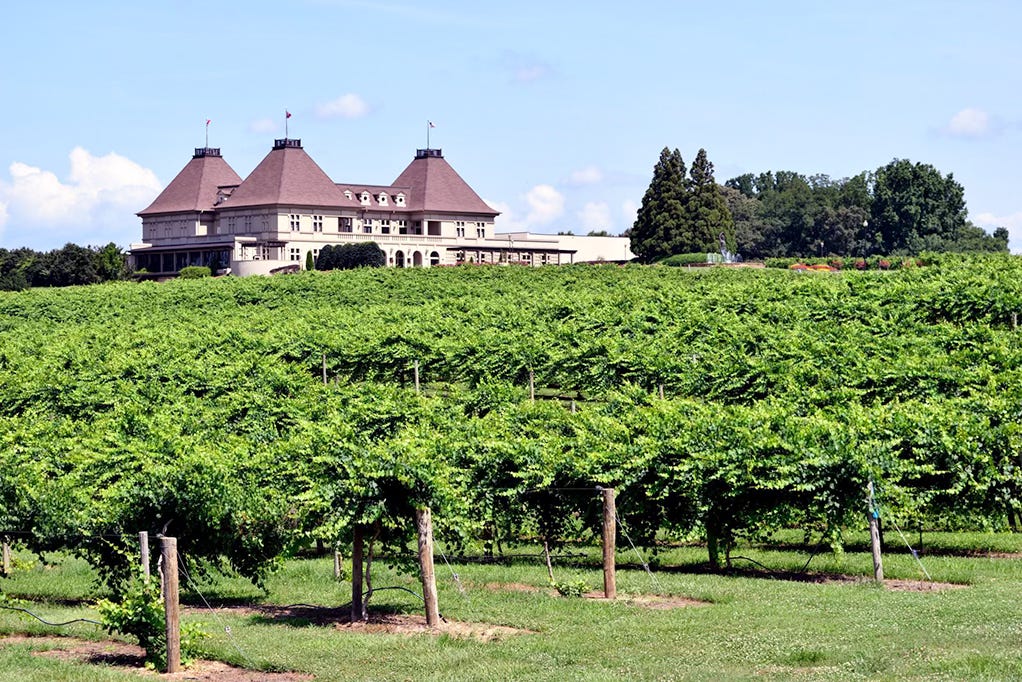
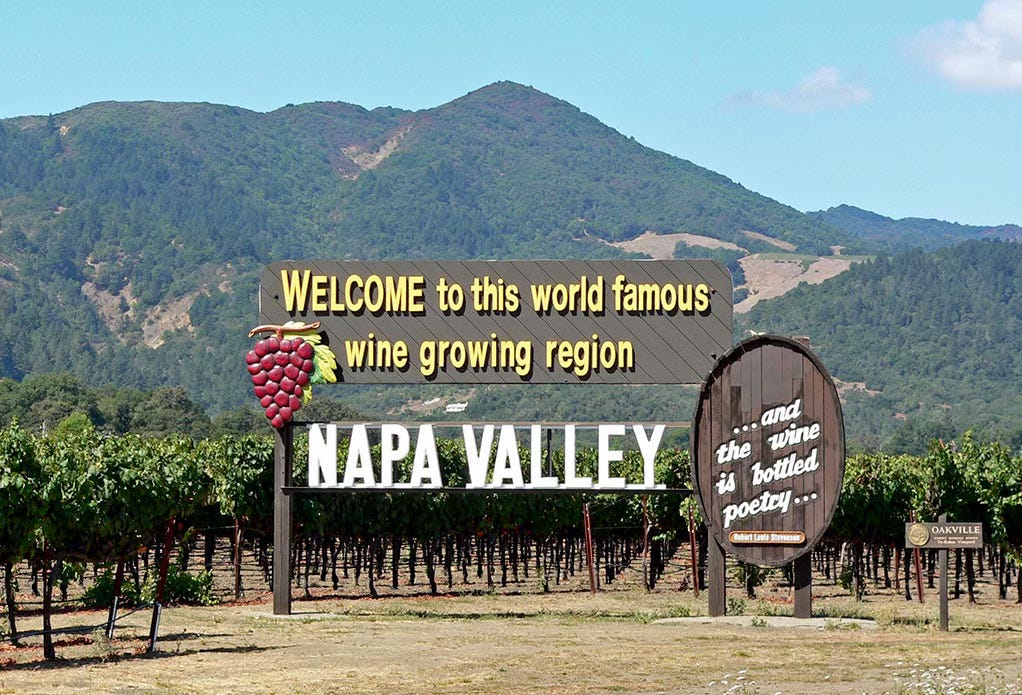
In broadest terms, terroir means an entire combination of factors—soil, climate, sunlight, people working the vineyard and the winery, natural yeasts, water, the kitchen sink. That confusing combination of factors makes wine from one place different than wine from another place. Typical wine snob nonsense, right? Well, it turns out hard science has proved there is something to it.

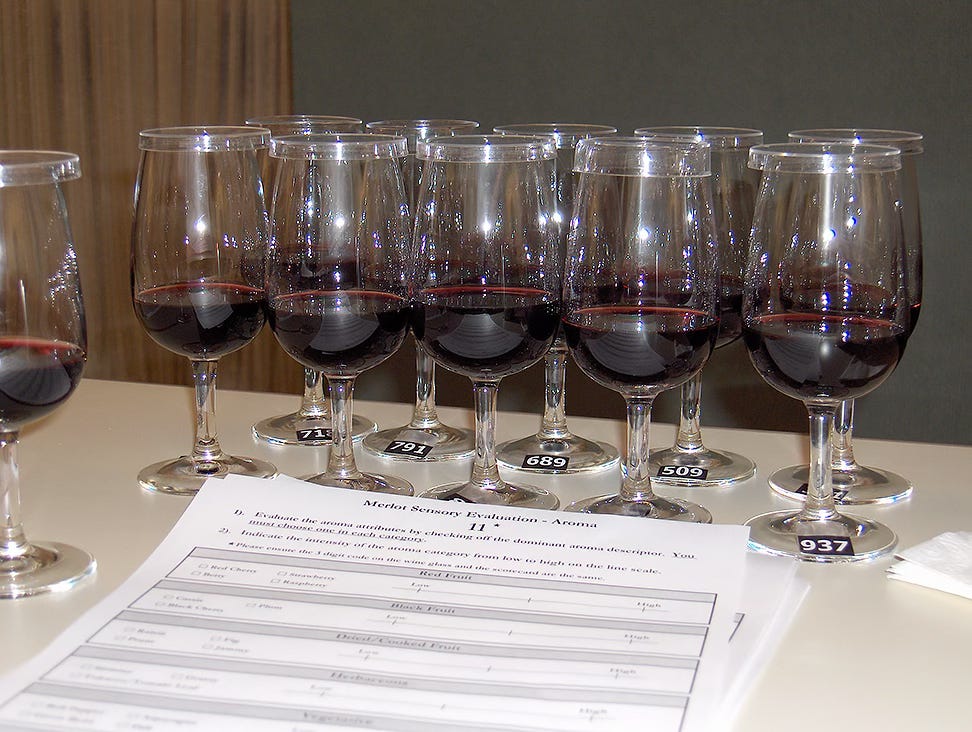
In a recent report in the journal Communication Chemistry, Dr. Alex Pouget, a computational neuroscientist and his colleagues at the University of Geneva, decided to test if a computer could pinpoint estates in Bordeaux based only on a particular wine’s chemical makeup determined by gas chromatography, a method for breaking down substances into their molecular components.

The scientists trained an algorithm to seek common patterns in the chemical fingerprints from a database of 80 wines of various vintages from seven Bordeaux châteaus. The results shocked the scientists. The model identified wines in distinct groups that nailed their exact locations in Bordeaux. Voila! Terroir!

The research showed particular qualities of vineyard locations dramatically influenced the wine’s chemistry. Terroir worked on the molecular level, just as winemakers and wine writers have been noting for centuries. In fact, all the wines tested were part of the 1855 Bordeaux classification system that was based on—wait for it—terroir.

The scientists anticipate replicating results elsewhere, given large enough databases and strict controls. Many wines are made from grapes from several different vineyards, so terroir is not a factor, and no winemakers or wine writers claim such. But wine made from grapes from a specific place? That can be specifically identified according to folks with white coats, advanced degrees, and a gas chromatograph.

It remains to be tested what, if any, bottle age may affect results. But now, if you believe in science, there is hard, empirical proof that “terroir” is not hoity-toity wine hokum.

Tasting notes

• Comtesse de Malet Roquefort Bordeaux Rouge 2020: Supple, sauve, soft, juicy, fresh Right Bank mostly merlot. $15-18 Link to my review

• Bryn Mawr Vineyards Pinot Noir, Willamette Valley, Oregon 2019: Delicious, delicate—as superb pinot noir should be. Excellent, affordable example of Oregon pinot. $27-32 Link to my review

• Dutcher Crossing Proprietor's Reserve Dry Creek Valley Zinfandel 2018: Smooth, balanced, delicious celebration of dark fruits and zin personality. Significant alcohol. $36 Link to my review

Last round

Dogs prepare you for babies. Cats prepare you for teenagers. Wine time.

Email: wine@cwadv.com

Newsletter: gusclemens.substack.com

Website:  gusclemensonwine.com

Facebook:  facebook.com/GusClemensOnWine/posts/

Twitter (X): @gusclemens

Since you subscribe to my newsletter, it follows you enjoy wine and humor and are an adventurous, inquisitive person. Each morning, The Sample sends you one article from a random blog or newsletter that matches your interests. When you find one you like, you can subscribe to the writer with one click. Give it a try Link to The Sample


This is a public episode. If you'd like to discuss this with other subscribers or get access to bonus episodes, visit gusclemens.substack.com/subscribe
There’s a lot of noise in the world of wine, but Gus Clemens on Wine cuts through it with clarity and a good dose of humor. Drawing from his widely syndicated newspaper column and his daily online posts, Gus Clemens brings his accessible expertise directly to your ears. This isn’t a stuffy lecture series. Instead, each episode feels like a relaxed conversation with a knowledgeable friend who genuinely wants you to enjoy the journey as much as the glass in your hand. You’ll hear straightforward reviews, fascinating stories from wine history, and practical insights that make the entire subject feel approachable and fun. The podcast naturally extends Gus’s written work into a warm, audio format perfect for listening during a commute, while cooking, or simply relaxing. Whether you’re just starting to explore beyond the supermarket aisle or you’re a seasoned enthusiast looking for a fresh perspective, this series demystifies topics from grape varieties and regions to pairing ideas and the latest trends. It’s about the culture, the people, and the stories behind the bottle, all delivered with a consistent, engaging voice that turns every episode into a pleasant discovery. Tune in for a genuinely user-friendly guide to the wide, wonderful world of wine.
Author: Language: English Episodes: 100

Gus Clemens on Wine explores and explains the world of wine in simple, humorous, fun posts
Podcast Episodes
Wine glut pitfalls 5-15-2024 [not-audio_url] [/not-audio_url]

Duration: 4:01
This is the weekly columnThe world has a glut of wine. In some ways, a good thing for wine buyers. With supply up and demand down, wine makers have to make sacrifices to move their product. The old seller’s adage applies…
Wine descriptors Part Six 5-8-2024 [not-audio_url] [/not-audio_url]

Duration: 4:33
This is the weekly columnThis is the final episode of our adventure into the world of wine descriptors.• Spicy: Various grapes contribute spice—syrah, zinfandel, petite sirah, malbec, grenache, gewürztraminer, riesling,…
Wine descriptors Part Five 5-1-2024 [not-audio_url] [/not-audio_url]

Duration: 4:17
This is the weekly columnContinuing our adventure in the world of wine descriptors.• Tannin: Tannins come from grape skins, seeds, and oak barrels. Tannin creates puckery, black tea-like sensations in your mouth that som…
Wine descriptors Part Four 4-24-2024 [not-audio_url] [/not-audio_url]

Duration: 5:19
This is the weekly columnIn our continuing investigation into the world of wine descriptors, we move to common terms.• Acidity: Key component of wines that “clean the palate” and affect how wine looks, tastes, and ages.…
Wine descriptors Part Three 4-17-2024 [not-audio_url] [/not-audio_url]

Duration: 5:09
This is the weekly columnIn our investigation of wine descriptors, we continue our plunge into wine’s weird words.• Petrol/diesel: Associated with riesling. Aroma is not the smell you get filling your farm truck, but doe…
Wine descriptors Part Two 4-10-2024 [not-audio_url] [/not-audio_url]

Duration: 4:09
This is the weekly columnContinuing our investigation of wine descriptors. Last week we noted wine shares the same molecules as familiar, pleasant tastes and smells. But what about all those weird descriptors?Linnaea Mal…
Wine descriptors Part One 4-3-2024 [not-audio_url] [/not-audio_url]

Duration: 3:58
This is the weekly columnUsing words to describe wine is fraught with peril and leaves wine writers exposed to ridicule. Adapting a line from Martin Mull: writing about wine is like dancing about architecture. And we do…
Grape growing USA 3-27-2024 [not-audio_url] [/not-audio_url]

Duration: 4:02
This is the weekly columnGrapes remain the highest value fruit crop in the U.S.—estimated at $7 billion. There are a million acres of grape-bearing land in the U.S.—wine grapes, table grapes, and raisin grapes.The U.S. p…
Wine and Holy Week 3-20-2024 [not-audio_url] [/not-audio_url]

Duration: 4:06
This is the weekly columnFor Christians, the coming days are a transition from the promise of Christmas to the time of fulfillment of Easter.Jesus’s first reported miracle—the wedding feast at Cana—and his last miracle,…
Wine challenges 3-13-2024 [not-audio_url] [/not-audio_url]

Duration: 4:18
This is the weekly columnWhile wine has been an integral part of civilization for at least 8,000 years, it also is subject to the waxes and wanes of fashion. What is rad and fav today can be tomorrow’s meh. Think merlot.…