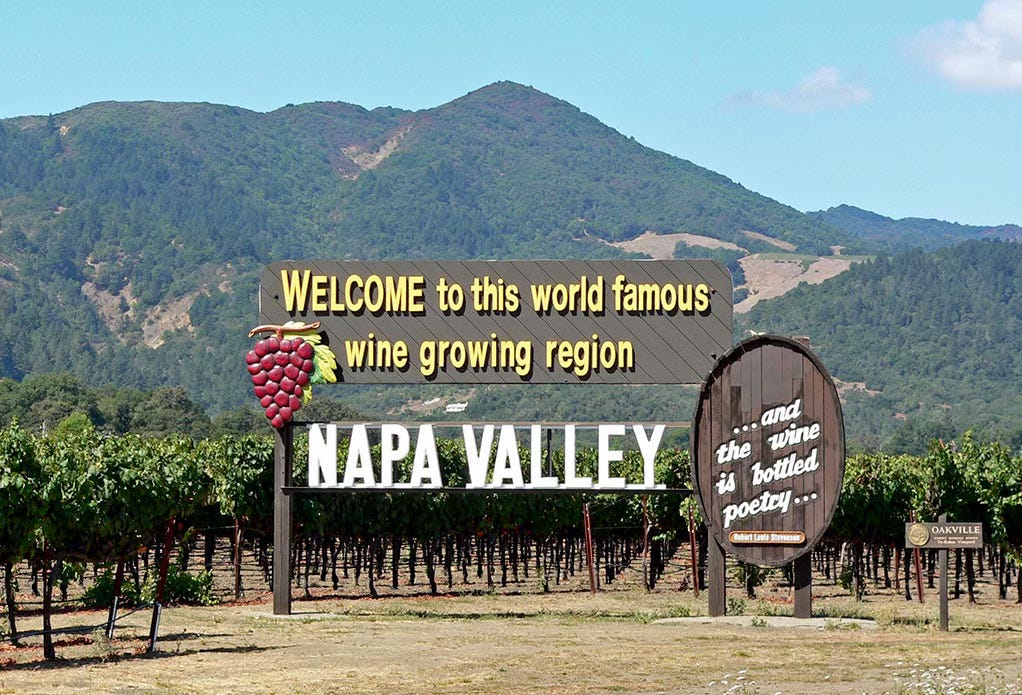
Wine descriptors Part One 4-3-2024

Wine descriptors Part One 4-3-2024

Author: Gus Clemens April 4, 2024 Duration: 3:58

This is the weekly column

Using words to describe wine is fraught with peril and leaves wine writers exposed to ridicule. Adapting a line from Martin Mull: writing about wine is like dancing about architecture. And we do it anyway.

Many terms about wine tastes and smells are easy to understand, delicious to imagine.

Cherry, strawberry, raspberry, blueberry, plum, peach, pear, apricot, cranberry, lemon, lime, blackberry, watermelon. We know those tastes and more from fruit we eat, and we can perceive them in the wine we drink.

Then, there are problematic descriptors. Minerals: like sucking on a rock. Who does that? Leather: do winemakers drop cowhides into their fermentation tanks? Green bell pepper: wait, I thought wine was made from grapes. What are those wine snobs talking about? Are they just making stuff up to appear superior to those of us who just want to sip something to complement a meal, maybe get a little buzz, maybe titillate the libido of a hot date? We visit wines terms in the next six columns.

Bradley Cooper

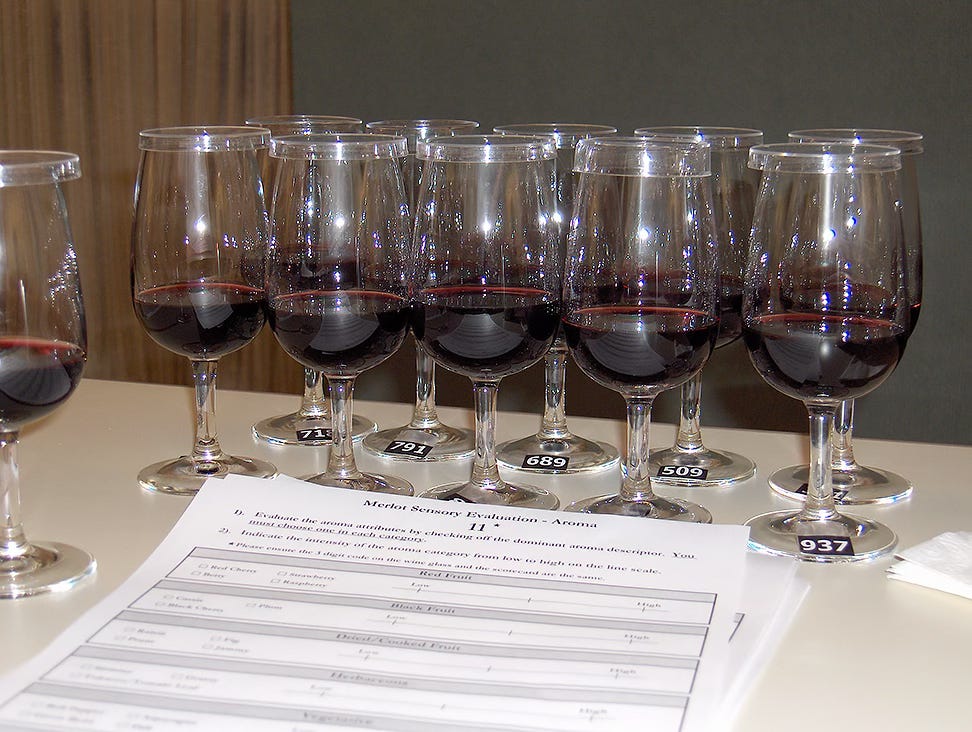
Let’s start with the easy flavor and aroma notes related to fruits. Grapes are fruits and share the same complex chemistry with fellow fruits. During grape fermentation chemical compounds—esters—are created that are identical or nearly identical to those found in other fruits. When a wine is said to have cherry flavor or aroma, it is just as valid to say that cherry juice has a wine flavor or aroma.

Secondary flavors spring from the winemaking process. Oak barrels impart notes from the wood. American oak tends to evoke vanilla and coconut notes, French oak hazelnut and smokiness. All oak can bring oak spice, clove, toast, chocolate depending on how the barrel is made. Oak aging, which allows a slow intake of oxygen, makes wine smoother and less astringent while it adds its flavor and aroma notes.

Tertiary flavors develop with aging, in barrel, in stainless steel, in concrete eggs, and in the bottle. Those flavors and aromas include earth, coffee, and leather. In all these cases, the flavors and aromas are caused by the same—or nearly identical—chemical compounds found in the descriptors. As with fruit descriptors, it is just as valid to say this wine has aroma notes of leather as it is to say leather has aroma notes of a wine. The molecules presenting the sensation are the same or almost the same.

We will plunge into weird wine terms the next two weeks.

Last round

Why did the cowboy get a wiener dog? Because he wanted to get a long little doggie. Wine time.

Gus Clemens on Wine is a reader-supported publication. To receive new posts and support my work, consider becoming a free or paid subscriber.

Email: wine@cwadv.com

Newsletter: gusclemens.substack.com

Website:  gusclemensonwine.com

Facebook:  facebook.com/GusClemensOnWine/posts/

Twitter (X): @gusclemens

Long form wine stories on Vocal: Gus Clemens on Vocal


This is a public episode. If you'd like to discuss this with other subscribers or get access to bonus episodes, visit gusclemens.substack.com/subscribe
There’s a lot of noise in the world of wine, but Gus Clemens on Wine cuts through it with clarity and a good dose of humor. Drawing from his widely syndicated newspaper column and his daily online posts, Gus Clemens brings his accessible expertise directly to your ears. This isn’t a stuffy lecture series. Instead, each episode feels like a relaxed conversation with a knowledgeable friend who genuinely wants you to enjoy the journey as much as the glass in your hand. You’ll hear straightforward reviews, fascinating stories from wine history, and practical insights that make the entire subject feel approachable and fun. The podcast naturally extends Gus’s written work into a warm, audio format perfect for listening during a commute, while cooking, or simply relaxing. Whether you’re just starting to explore beyond the supermarket aisle or you’re a seasoned enthusiast looking for a fresh perspective, this series demystifies topics from grape varieties and regions to pairing ideas and the latest trends. It’s about the culture, the people, and the stories behind the bottle, all delivered with a consistent, engaging voice that turns every episode into a pleasant discovery. Tune in for a genuinely user-friendly guide to the wide, wonderful world of wine.
Author: Language: English Episodes: 100

Gus Clemens on Wine explores and explains the world of wine in simple, humorous, fun posts
Podcast Episodes
Wine glut pitfalls 5-15-2024 [not-audio_url] [/not-audio_url]

Duration: 4:01
This is the weekly columnThe world has a glut of wine. In some ways, a good thing for wine buyers. With supply up and demand down, wine makers have to make sacrifices to move their product. The old seller’s adage applies…
Wine descriptors Part Six 5-8-2024 [not-audio_url] [/not-audio_url]

Duration: 4:33
This is the weekly columnThis is the final episode of our adventure into the world of wine descriptors.• Spicy: Various grapes contribute spice—syrah, zinfandel, petite sirah, malbec, grenache, gewürztraminer, riesling,…
Wine descriptors Part Five 5-1-2024 [not-audio_url] [/not-audio_url]

Duration: 4:17
This is the weekly columnContinuing our adventure in the world of wine descriptors.• Tannin: Tannins come from grape skins, seeds, and oak barrels. Tannin creates puckery, black tea-like sensations in your mouth that som…
Wine descriptors Part Four 4-24-2024 [not-audio_url] [/not-audio_url]

Duration: 5:19
This is the weekly columnIn our continuing investigation into the world of wine descriptors, we move to common terms.• Acidity: Key component of wines that “clean the palate” and affect how wine looks, tastes, and ages.…
Wine descriptors Part Three 4-17-2024 [not-audio_url] [/not-audio_url]

Duration: 5:09
This is the weekly columnIn our investigation of wine descriptors, we continue our plunge into wine’s weird words.• Petrol/diesel: Associated with riesling. Aroma is not the smell you get filling your farm truck, but doe…
Wine descriptors Part Two 4-10-2024 [not-audio_url] [/not-audio_url]

Duration: 4:09
This is the weekly columnContinuing our investigation of wine descriptors. Last week we noted wine shares the same molecules as familiar, pleasant tastes and smells. But what about all those weird descriptors?Linnaea Mal…
Grape growing USA 3-27-2024 [not-audio_url] [/not-audio_url]

Duration: 4:02
This is the weekly columnGrapes remain the highest value fruit crop in the U.S.—estimated at $7 billion. There are a million acres of grape-bearing land in the U.S.—wine grapes, table grapes, and raisin grapes.The U.S. p…
Wine and Holy Week 3-20-2024 [not-audio_url] [/not-audio_url]

Duration: 4:06
This is the weekly columnFor Christians, the coming days are a transition from the promise of Christmas to the time of fulfillment of Easter.Jesus’s first reported miracle—the wedding feast at Cana—and his last miracle,…
Wine challenges 3-13-2024 [not-audio_url] [/not-audio_url]

Duration: 4:18
This is the weekly columnWhile wine has been an integral part of civilization for at least 8,000 years, it also is subject to the waxes and wanes of fashion. What is rad and fav today can be tomorrow’s meh. Think merlot.…
Porto 3-6-2024 [not-audio_url] [/not-audio_url]

Duration: 4:41
This is the weekly columnPorto (port wine) often is mistaken to be a depth-of-winter libation sipped while gazing at a roaring fire, the finale to a robust meal. Porto certainly works in that scenario, but you miss out i…